Living Alone in Tokyo — Apartment Tips for Expats
Chapter 1: Why More Expats Are Living Alone in Tokyo
Tokyo is one of the most exciting cities in the world. With its modern infrastructure, reliable transportation system, excellent safety record, and endless cultural experiences, it attracts people from all over the globe.
In recent years, the number of foreigners living in Japan has continued to increase. Many of them choose Tokyo as their home base because it offers the most international environment in the country.
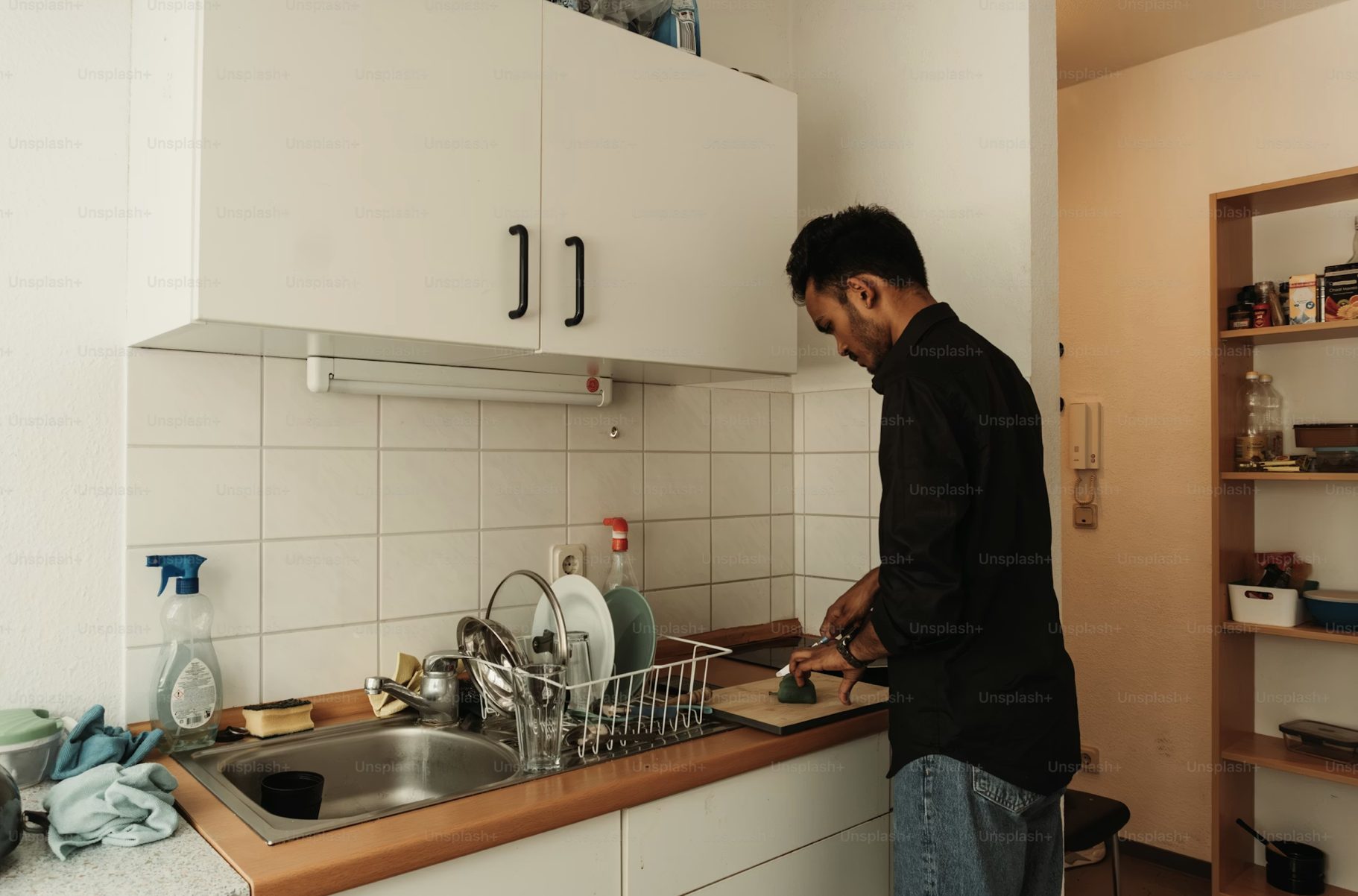
While some expats move to Japan with families, a large percentage live alone. Students, digital nomads, English teachers, engineers, and professionals working in multinational companies often rent small apartments designed for single residents.
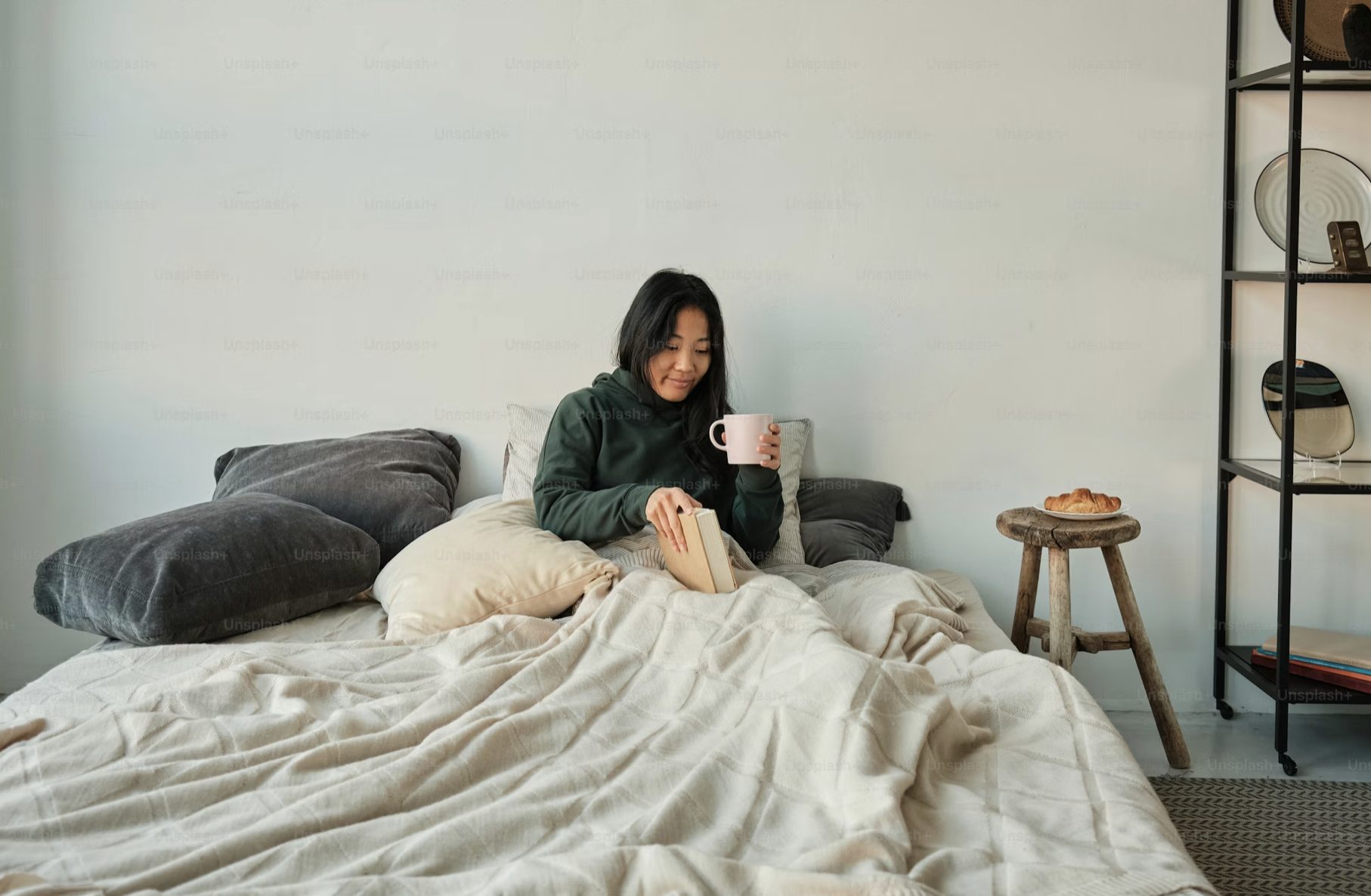
Living alone in Tokyo can be a unique experience. The city offers convenience that is difficult to find elsewhere. Convenience stores operate 24 hours a day, trains run with incredible punctuality, and neighborhoods are generally clean and safe.
However, finding an apartment as a foreigner can be challenging. Japan’s rental system is quite different from the systems used in North America, Europe, or Australia.
Common challenges foreigners face include:
• Language barriers
• Complicated paperwork
• High initial costs
• Guarantor requirements
• Some landlords refusing foreign tenants
Despite these obstacles, many expats successfully find comfortable apartments in Tokyo every year.
Understanding how the rental system works is the first step toward securing a good place to live.
This guide will walk you through everything you need to know about renting and living alone in Tokyo as a foreign resident.
Chapter 2: Average Rent for Apartments in Tokyo
Tokyo is known for its high living costs, but the price of apartments varies widely depending on the location, building age, and apartment size.
For people living alone, the most common apartment types are:
• Studio apartments (One-room)
• 1K apartments
• Small 1DK units
The average monthly rent for a small apartment in Tokyo generally ranges from ¥60,000 to ¥120,000.
Here is an approximate breakdown by area.
Shinjuku
Average rent: ¥80,000 – ¥110,000
Shinjuku is one of the most convenient areas in Tokyo. It is a major transportation hub with connections to almost every train line. Many foreigners live here because of the convenience and nightlife.
Shibuya
Average rent: ¥90,000 – ¥130,000
Shibuya is popular among younger professionals and people working in tech companies. It is trendy but also more expensive.
Ikebukuro
Average rent: ¥70,000 – ¥100,000
Ikebukuro is often considered one of the best areas for affordable apartments near central Tokyo. It has great train access and many shopping options.
Ueno / Asakusa
Average rent: ¥60,000 – ¥90,000
These areas offer lower rent and traditional Tokyo atmosphere. They are popular among students and budget-conscious expats.
Nakano / Koenji
Average rent: ¥60,000 – ¥90,000
These neighborhoods are famous for their creative communities, small bars, and vintage shops.
Shinagawa
Average rent: ¥80,000 – ¥120,000
Shinagawa is a business district and transportation hub with access to the Shinkansen.
Factors That Affect Rent
Several factors influence the price of an apartment in Tokyo.
Distance from the station
Properties within 5 minutes of a station are usually more expensive.
Building age
Newer buildings cost more, but older apartments can offer great value.
Building type
Reinforced concrete buildings tend to be more expensive than wooden structures.
Room size
Even a few extra square meters can significantly increase the rent.
Chapter 3: Understanding Japanese Apartment Layouts
One of the first things foreigners notice when searching for apartments in Japan is the unique way rooms are described.
Japanese apartment listings use a letter-based system to explain the layout.
One-room (Studio)
This is the most basic type of apartment.
The kitchen and living space are combined into one single room. Bathrooms are usually compact, and the total size is typically between 15 and 22 square meters.
These apartments are often the cheapest option and very common among students.
1K Apartment
A 1K apartment separates the kitchen area from the main living space.
There is usually a small hallway between the entrance and the room, which provides better privacy and reduces cooking smells.
Many people consider this the best layout for single residents.
1DK Apartment
1DK stands for 1 room + dining kitchen.
The kitchen area is larger and can fit a small table.
These apartments usually range from 25 to 35 square meters.
1LDK Apartment
This layout includes:
• Living room
• Dining space
• Kitchen
• Separate bedroom
These apartments are larger and often more expensive.
Which Layout Is Best for Expats?
Most expats living alone in Tokyo choose:
• 1K apartments
• 1DK apartments
They offer a good balance between space and affordability.
Chapter 4: Requirements for Foreigners Renting in Tokyo
Renting an apartment in Tokyo requires several documents and conditions.
Foreign residents should prepare the following items before starting their apartment search.
Residence Card
All foreign residents in Japan receive a residence card (Zairyu Card). This card proves your legal status in Japan and is required for rental applications.
Japanese Phone Number
Most landlords and management companies require a Japanese phone number so they can contact you if necessary.
Bank Account
Rent payments are usually withdrawn automatically from a Japanese bank account.
Some landlords may allow credit card payments, but this is still uncommon.
Proof of Income
Landlords want to confirm that tenants can pay the rent reliably.
Common proof includes:
• Employment contract
• Salary statement
• Work visa
Guarantor
Traditionally, Japanese landlords require a personal guarantor who promises to pay the rent if the tenant cannot.
Because many foreigners do not have relatives in Japan, guarantor companies are commonly used instead.
Guarantor Companies
A guarantor company acts as a financial safety net for the landlord.
Tenants usually pay a fee equal to 30% to 100% of one month’s rent.
Many apartments in Tokyo require this service.
Chapter 5: Initial Costs of Renting an Apartment in Tokyo
One of the biggest surprises for foreigners is the high initial move-in cost.
Unlike many countries where tenants only pay the first month’s rent and a deposit, Japan requires several additional fees.
These costs can add up to 4 to 6 months of rent.
Security Deposit (Shikikin)
This is a refundable deposit used to cover cleaning or damages when you move out.
Typical amount:
1 to 2 months rent
Key Money (Reikin)
Key money is a non-refundable payment to the landlord.
It is considered a traditional “thank you” gift for allowing you to rent the apartment.
Typical amount:
0 to 2 months rent
Agency Fee
Real estate agents charge a brokerage fee for arranging the contract.
The legal maximum in Japan is one month rent plus tax.
First Month Rent
You must usually pay the first month of rent when signing the contract.
If you move in mid-month, the amount may be prorated.
Fire Insurance
Tenants are required to purchase fire insurance.
Typical cost:
¥15,000 to ¥25,000 for two years.
Key Replacement Fee
Many apartments charge a key replacement fee when you move in.
Typical cost:
¥15,000 to ¥30,000.
Example Move-in Cost
If the rent is ¥80,000 per month, the total move-in cost might look like this:
Security deposit: ¥80,000
Key money: ¥80,000
Agency fee: ¥80,000
First rent: ¥80,000
Insurance: ¥20,000
Total:
About ¥340,000 to ¥400,000
This is why financial preparation is very important when moving to Tokyo.
Chapter 6: How Foreigners Can Find Apartments in Tokyo
Finding an apartment in Tokyo can feel overwhelming at first, especially for foreigners who are unfamiliar with the Japanese rental system. However, there are several effective ways to search for apartments that accept international tenants.
Understanding the different search methods will greatly increase your chances of finding a suitable place.
Using Real Estate Agents
The most common way to find an apartment in Japan is by visiting a real estate agency.
Real estate agents have access to a nationwide property database and can help arrange apartment viewings. They also handle the paperwork and communication with landlords.
However, not all agents speak English, and some properties may have restrictions regarding foreign tenants.
If you do not speak Japanese, it is recommended to look for agencies that specialize in assisting international residents.
English-Friendly Real Estate Services
Several companies in Tokyo focus on helping foreign residents find apartments.
These services often provide English-speaking staff and help explain complicated rental contracts.
They may also introduce apartments where landlords are comfortable renting to foreigners.
While these services can be extremely helpful, their listings may sometimes be slightly more expensive than local Japanese listings.
Japanese Rental Websites
Many apartments in Tokyo are listed on large Japanese rental websites.
These platforms contain thousands of listings across the city.
Popular rental websites include:
- Suumo
- Homes
- AtHome
Although these websites are mostly in Japanese, they offer the largest selection of apartments.
Many foreigners use translation tools to browse listings.
International Housing Platforms
Some websites specifically target foreign residents and international tenants.
These platforms often include English descriptions and simplified application procedures.
Examples include:
- GaijinPot Housing
- RealEstateJapan
These sites are excellent starting points for newcomers who are unfamiliar with the Japanese housing market.
Social Media and Online Communities
Another increasingly popular way to find housing is through online communities.
Many expats share apartment listings or sublease opportunities in Facebook groups and online forums.
These communities are especially useful for short-term housing or furnished apartments.
However, always verify the legitimacy of listings before sending money or signing agreements.
Chapter 7: Popular Neighborhoods for Expats Living Alone
Tokyo is a massive city with dozens of unique neighborhoods. Each area offers a different lifestyle, price range, and atmosphere.
Choosing the right neighborhood can significantly affect your quality of life.
Shinjuku
Shinjuku is one of the most convenient areas in Tokyo.
It is a major transportation hub connecting multiple train lines, making commuting extremely easy.
The area is also known for its vibrant nightlife, restaurants, and entertainment options.
Many expats choose Shinjuku because it offers both convenience and excitement.
Shibuya
Shibuya is one of Tokyo’s most famous districts.
It is particularly popular among younger professionals, entrepreneurs, and people working in technology or creative industries.
The area offers countless cafes, shops, and coworking spaces.
However, rent prices tend to be higher compared to other neighborhoods.
Ikebukuro
Ikebukuro is often considered one of the best areas for affordable living near central Tokyo.
The neighborhood has excellent train connections and a large number of shopping centers, restaurants, and entertainment venues.
Many students and young professionals live in this area.
Ueno and Asakusa
These districts are known for their traditional atmosphere and relatively lower rent prices.
They are also popular among international visitors due to famous attractions and historical sites.
Living here offers a more relaxed and cultural Tokyo experience.
Nakano and Koenji
These neighborhoods are loved by artists, musicians, and creative communities.
They offer unique local bars, vintage shops, and a relaxed atmosphere.
Rent is often lower than central Tokyo areas, making them attractive to young residents.
Shinagawa
Shinagawa is an important business district and transportation center.
It provides access to the Shinkansen and Haneda Airport, making it convenient for frequent travelers.
Many professionals working in international companies choose to live here.
Chapter 8: Common Apartment Facilities in Tokyo
Japanese apartments often include features that may feel unusual to foreigners.
Understanding these facilities can help you choose the right apartment.
Auto-Lock Entrance
Many modern apartment buildings include automatic locking systems at the entrance.
Residents use keys or electronic cards to enter the building.
This feature significantly improves security.
Delivery Lockers
Delivery lockers are extremely convenient for people who live alone.
If you are not home when a package arrives, the delivery company can place it in a locker inside the building.
You can retrieve it later using a passcode.
Unit Bath
Many smaller apartments in Japan use a “unit bath” design.
This means the bathtub, sink, and toilet are located in the same compact bathroom space.
While it may feel unusual at first, many residents adapt quickly.
Separate Bath and Toilet
In slightly larger apartments, the toilet and bathing area are separated.
This layout is generally preferred and considered more comfortable.
Balcony
Most apartments include a small balcony.
In Japan, balconies are often used for drying laundry because many apartments do not have large dryers.
Air Conditioning
Almost every apartment in Tokyo includes at least one air conditioning unit.
This system typically provides both cooling and heating.
Chapter 9: Tips for Comfortable Solo Living in Tokyo
Living alone in Tokyo can be extremely comfortable if you understand how daily life works.
Here are several tips to make your experience easier.
Buying Furniture
Many apartments in Japan are rented unfurnished.
Popular furniture stores include:
- IKEA
- Nitori
- Amazon Japan
Secondhand furniture stores and recycling shops can also be very affordable.
Setting Up Utilities
After signing your lease, you must arrange utilities such as:
Electricity
Gas
Water
Internet
Most utility companies allow online registration, and some provide English support.
Understanding Garbage Rules
Garbage disposal in Japan follows strict sorting rules.
Different types of trash must be disposed of on specific days.
Common categories include:
- Burnable garbage
- Non-burnable garbage
- Plastic
- Bottles and cans
Your local ward office will provide a garbage schedule when you move in.
Safety in Tokyo
Tokyo is one of the safest large cities in the world.
However, basic precautions are still recommended.
Lock your doors
Be respectful of neighbors
Follow building rules
Maintaining good relationships with neighbors can make apartment living much more comfortable.
Chapter 10: Common Rental Mistakes Foreigners Make
Even experienced expats sometimes misunderstand aspects of the Japanese rental system.
Avoiding common mistakes can save both time and money.
Not Understanding the Contract
Rental contracts in Japan can be very detailed.
Some tenants sign contracts without fully understanding the conditions.
Always review the contract carefully and ask questions if necessary.
Ignoring Renewal Fees
Many Japanese rental contracts require a renewal fee every two years.
This fee is usually equal to one month of rent.
Foreign tenants are sometimes surprised by this cost.
Move-Out Cleaning Fees
When leaving an apartment, tenants may be responsible for cleaning fees or repairs.
Understanding these rules before moving in can prevent disputes later.
Noise Complaints
Japanese apartment buildings tend to have thin walls.
Excessive noise can quickly lead to complaints from neighbors.
Being mindful of noise levels is important.
Violating Building Rules
Some buildings prohibit activities such as:
Short-term rentals
Subleasing
Pets
Always confirm these rules before signing a contract.
Final Thoughts
Living alone in Tokyo can be one of the most rewarding experiences for expats.
Although the rental process may initially seem complicated, understanding the system makes it much easier to navigate.
With proper preparation, you can find an apartment that suits your lifestyle, budget, and location preferences.
Tokyo offers incredible convenience, safety, and cultural richness.
For many international residents, living alone in this dynamic city becomes an unforgettable chapter of their lives.