Tokyo Railway Rental — How Train Lines Affect Rent, Lifestyle, and Apartment Choice
Understanding Tokyo’s Railways and Rental Prices
Chapter 1: Why Train Lines Matter More Than Neighborhood Names in Tokyo
In Tokyo, where you live is often defined less by the neighborhood name and more by the train line and station you use every day. Unlike many global cities where districts have fixed reputations, Tokyo’s rental market is structured around railway accessibility.
Two apartments with similar size and quality can have dramatically different rent prices simply because they are on different lines or stations. Even being one stop closer to a major hub can significantly increase monthly rent.
For foreign residents, this system can be confusing. Searching only by famous areas such as Shibuya or Shinjuku often leads to unnecessarily high rent. Understanding how train lines influence pricing allows renters to make smarter choices without sacrificing convenience.
Chapter 2: Overview of Tokyo’s Railway Network
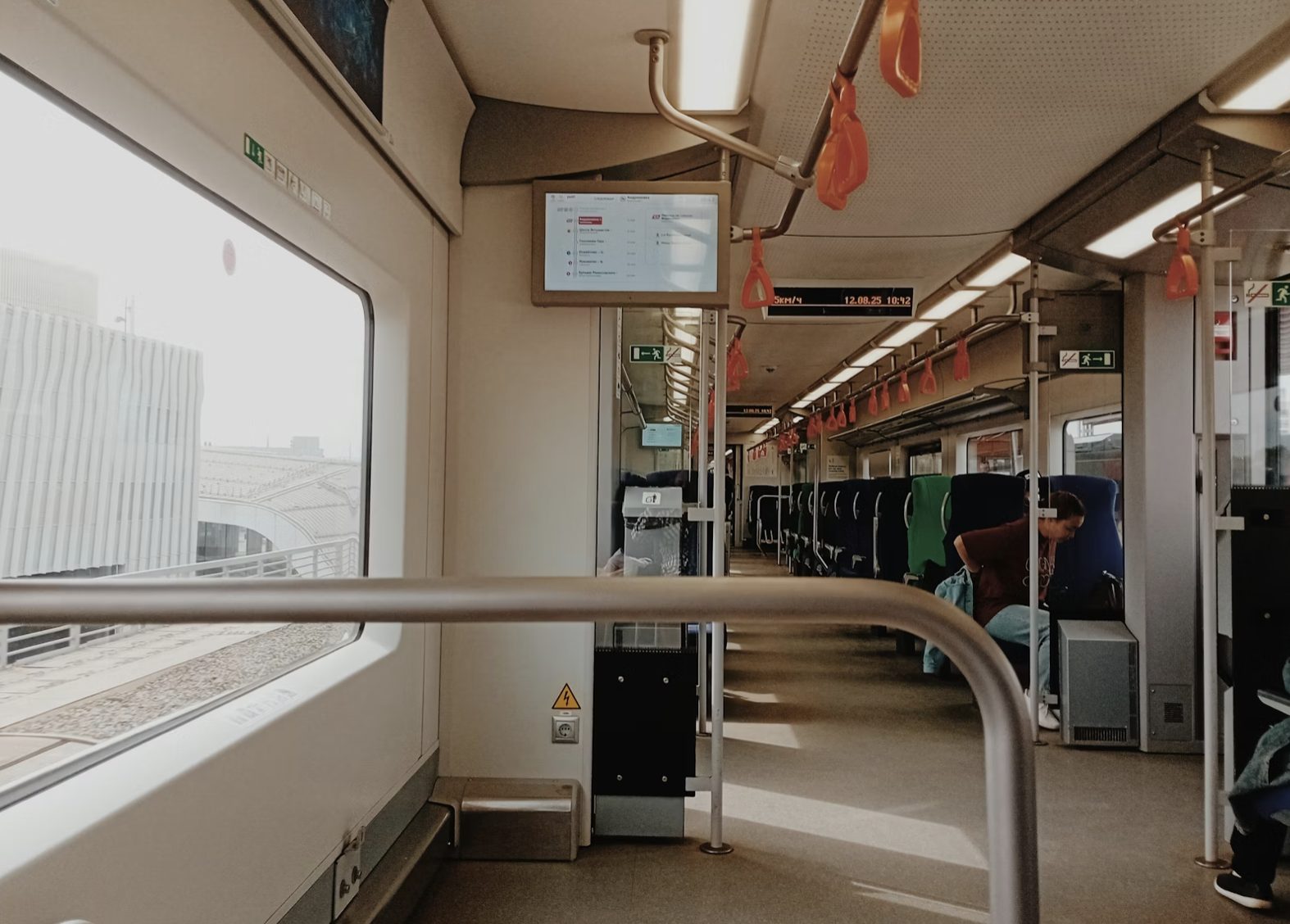
Tokyo has one of the most complex railway systems in the world. It consists of three main categories: JR lines, private railway companies, and subway systems.
JR East operates major commuter lines, including the Yamanote Line, Chuo Line, and Keihin-Tohoku Line. These lines form the backbone of daily commuting and are heavily reflected in rental pricing.
Private railways such as Tokyu, Odakyu, Keio, and Seibu connect central Tokyo with suburban residential areas. These lines often provide better value for renters willing to live slightly farther from the city center.
Tokyo Metro and Toei Subway lines primarily serve inner Tokyo. Properties near subway stations are popular with international residents due to their direct access to business districts.
Chapter 3: How the Yamanote Line Shapes Rent Prices
The Yamanote Line is the most influential railway line in Tokyo’s rental market. Apartments within walking distance of Yamanote stations command premium prices regardless of building age or size.
Stations such as Shibuya, Shinjuku, Tokyo, and Ueno are not only transportation hubs but also commercial centers. High demand from professionals, students, and expatriates keeps rent consistently high.
Living one or two stations outside the Yamanote loop on a connecting line can reduce rent significantly while maintaining excellent access to central Tokyo. This strategy is commonly used by experienced renters.
Chapter 4: Major Commuter Lines and Their Rental Characteristics
The Chuo Line is known for balancing convenience and lifestyle. Areas such as Nakano, Koenji, and Kichijoji offer vibrant neighborhoods with relatively reasonable rent compared to Yamanote stations.
Tokyu lines, including the Toyoko and Den-en-toshi Lines, are popular among professionals and families. These areas are clean, well-developed, and slightly more expensive but offer a high quality of life.
Odakyu and Keio lines attract renters seeking lower costs and larger apartments. Commute times may be longer, but express services help offset the distance.
Chapter 5: Commute Time vs Rent — What Foreign Residents Should Know
In Tokyo, commute time often matters more than distance. A 40-minute ride on a direct line may feel easier than a 25-minute commute with multiple transfers.
Rental prices drop noticeably beyond the 30-minute mark from major hubs. Understanding express stops, transfer stations, and first-stop stations can dramatically improve cost efficiency.
Foreign residents are encouraged to test commute routes during peak hours before signing a lease. Comfort and reliability often outweigh small differences in rent.
End of Part 1. Part 2 will cover station distance, lifestyle comparisons by line, renter strategies, and common mistakes.
Chapter 5: Commute Time vs Rent — What Foreign Residents Should Know
In Tokyo, commute time often matters more than distance. A 40-minute ride on a direct line may feel easier than a 25-minute commute with multiple transfers.
Rental prices drop noticeably beyond the 30-minute mark from major hubs. Understanding express stops, transfer stations, and first-stop stations can dramatically improve cost efficiency.
Foreign residents are encouraged to test commute routes during peak hours before signing a lease. Comfort and reliability often outweigh small differences in rent.
Part 2: Station Distance, Lifestyle, and Smart Rental Strategies (Chapters 6–10)
Chapter 6: Distance from the Station and Its Impact on Rent
In Tokyo’s rental market, distance from the nearest station is one of the strongest pricing factors. Listings typically describe distance in walking minutes, and even small differences can affect rent significantly.
Apartments within five minutes of a station usually command a premium. These properties appeal to busy professionals and are easier to rent out, but they often offer less space for the price. Units located ten minutes away tend to balance affordability and convenience, making them popular among long-term residents.
Properties more than fifteen minutes from a station are noticeably cheaper, but renters should consider additional factors such as lighting, sidewalks, and neighborhood layout. In some areas, bus access partially offsets distance, though buses are generally less popular than trains.
Chapter 7: Comparing Lifestyles by Train Line
Each major railway line in Tokyo has its own lifestyle profile. Some lines are known for nightlife and youth culture, while others are associated with families and quiet residential streets.
Lines serving western Tokyo, such as the Chuo and Keio Lines, are often favored by creatives and students. Eastern lines may offer lower rent but come with longer commute times to central business districts.
Tokyu-operated lines are widely regarded as clean and well-planned, attracting professionals and families seeking stability. Understanding these reputations helps renters align daily life preferences with housing choices.
Chapter 8: Choosing a Train Line Before Choosing an Apartment
Experienced renters in Tokyo often select a train line first and then search for apartments along that line. This approach avoids overpaying for brand-name neighborhoods while maintaining consistent commute quality.
Searching by station rather than area name reveals hidden-value neighborhoods just outside major hubs. Transfer stations and express stops are particularly valuable, offering speed without central-city pricing.
Foreign residents are advised to map daily routes, grocery access, and social activities before committing to a location. Convenience extends beyond the commute alone.
Chapter 9: Different Strategies for Short-Term and Long-Term Residents
Rental priorities differ depending on length of stay. Short-term residents often prioritize proximity to major hubs and international areas, accepting higher rent for convenience.
Long-term residents benefit from exploring suburban lines where larger apartments and quieter environments are available at lower prices. These areas are especially suitable for families or remote workers.
Understanding visa length, renewal plans, and lifestyle stability helps determine whether paying a premium for central access is worthwhile.
Chapter 10: Common Mistakes and How to Avoid Them
One common mistake among foreign renters is focusing only on rent while ignoring commute complexity. Multiple transfers, crowded lines, and unreliable routes can quickly erode quality of life.
Another frequent error is assuming that famous neighborhoods guarantee satisfaction. In reality, many lesser-known stations offer better living conditions at lower cost.
By prioritizing train line logic over location branding, renters can secure apartments that align with both budget and lifestyle goals.