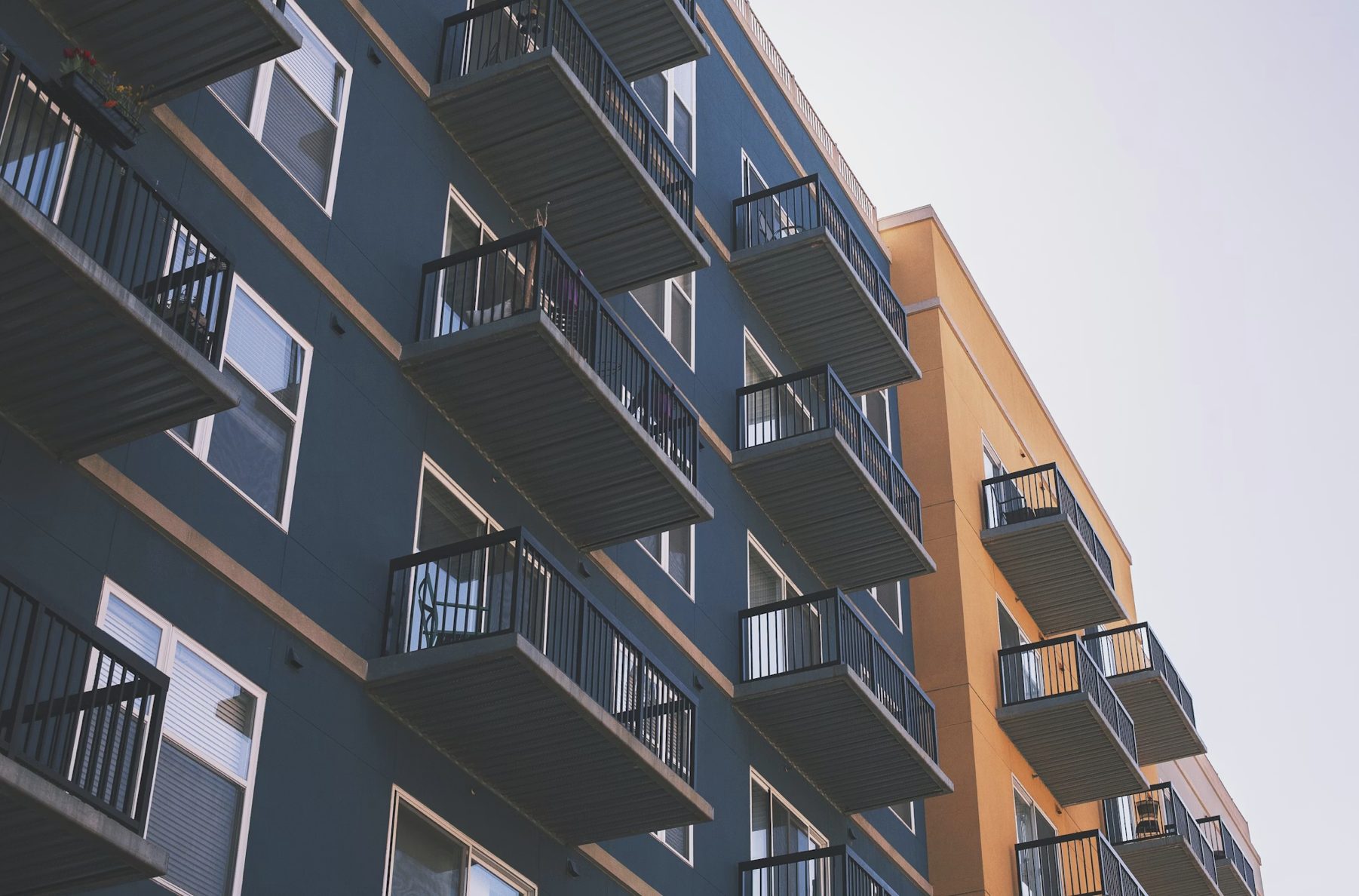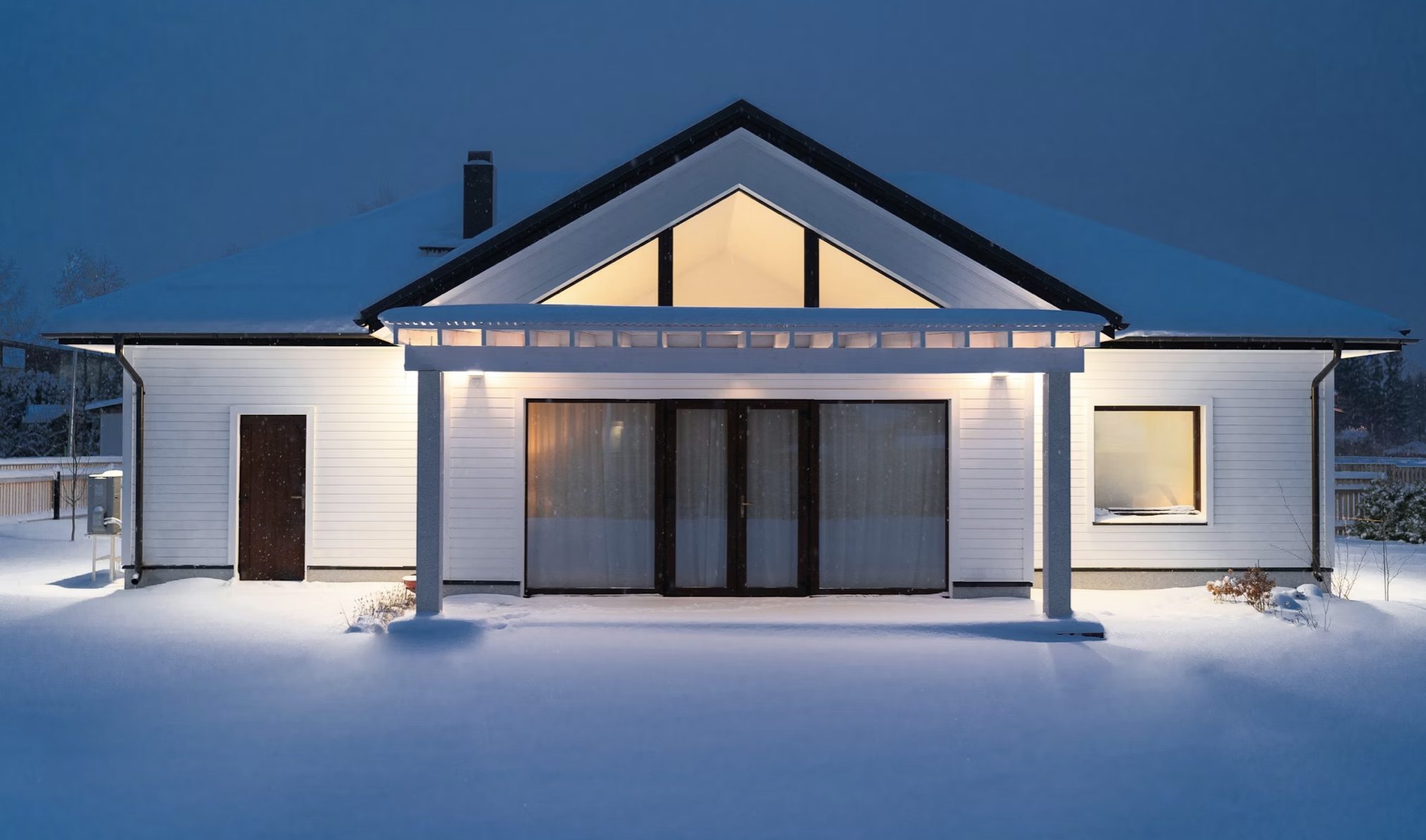
Buying a House vs. Apartment — Which Is Better for Expats?
Part 1: Market Structure, Costs, Resale Value, and Lifestyle Differences
Chapter 1: Understanding the Structure of the Japanese Housing Market
Before deciding between a detached house (ikkodate) and an apartment (mansion), expats must understand how Japan’s real estate system fundamentally works — because it is different from many Western markets.
1. Land Ownership vs. Building Value
In Japan:
- Land retains value
- Buildings depreciate
This is critical.
Unlike in countries where the house itself appreciates over time, Japanese buildings often lose value steadily, sometimes reaching near-zero book value after 20–30 years.
If you buy:
- A house, you own both land and building.
- A condominium, you own:
- Your private unit (building portion)
- A fractional ownership share of the land
This structural difference affects long-term wealth preservation.
2. New vs. Used Market Reality
Japan has an unusually strong preference for new properties.
- New houses lose value immediately after purchase.
- Used houses can drop 20–30% in a few years.
- Condominiums in central Tokyo sometimes hold value better.
For expats planning short stays (3–7 years), resale dynamics matter more than purchase price.
3. Urban vs. Suburban Differences
In major cities like Tokyo or Osaka:
- Condominiums dominate central zones.
- Detached houses are common in suburban areas.
Land in central Tokyo is scarce and expensive, making detached houses less common and significantly more expensive.
In contrast, suburban houses may be affordable but harder to resell.
Location impacts apartment liquidity less than house liquidity.
4. Are There Legal Restrictions for Foreign Buyers?
Japan does not restrict foreigners from buying property.
- No citizenship requirement
- No residency requirement
- No visa requirement
However:
- Mortgage approval is difficult without residency or permanent status.
- Taxes apply equally to foreigners.
This legal openness makes Japan attractive, but financing remains the real barrier.
Chapter 2: Price Structure and Asset Depreciation
Understanding what you are paying for is essential.
1. Detached House Price Breakdown
When buying a house:
- Land value
- Building construction cost
- Brokerage fee (usually 3% + ¥60,000 + tax)
- Registration and judicial scrivener fees
- Stamp tax
- Property acquisition tax
The land is typically the stable component.
The building may depreciate significantly.
2. Condominium Price Breakdown
When buying a condominium:
- Private unit interior value
- Land ownership share
- Building structure value
- Management reserve fund contribution
- Monthly maintenance fees
The key difference:
You do not control the building as a whole — the management association does.
3. Depreciation Curve Comparison
Detached houses:
- Building loses value quickly
- Land holds value if location is strong
Condominiums:
- Value influenced by:
- Location
- Floor level
- View
- Building management quality
- Total number of units
In central Tokyo, well-managed condominiums sometimes outperform houses in resale stability.
4. 10-Year Ownership Example (Conceptual)
If you buy:
House in suburb:
- Strong land retention
- Weak resale demand
Apartment in central city:
- Slower depreciation
- Easier resale
- Higher liquidity
The “better” option depends on exit timing.
Chapter 3: Maintenance and Running Costs
This is where many expats underestimate long-term expenses.
1. Fixed Asset Tax (固定資産税)
Both property types incur annual property tax.
Detached houses may pay:
- Slightly higher tax due to land size
Condominiums:
- Shared land lowers individual land tax burden
2. Condominium Monthly Fees
Apartments require:
- Management fee
- Repair reserve fund
- Parking fee (if applicable)
Combined monthly fees can range from:
¥20,000 to ¥50,000+
Over 20 years, this becomes substantial.
3. Detached House Maintenance Reality
No monthly management fees.
But:
- Roof replacement (15–25 years)
- Exterior repainting (10–15 years)
- Plumbing replacement
- Earthquake reinforcement updates
Unexpected repair costs can exceed several million yen.
Apartments spread repair risk across all owners.
Houses concentrate risk on you alone.
4. Insurance Differences
House:
- Higher fire insurance premiums
- Separate earthquake rider often recommended
Condominium:
- Lower structure insurance (building covered by association)
- Interior insurance still required
Chapter 4: Resale Liquidity and Exit Strategy
Expats often forget to plan for selling.
This is a major mistake.
1. Selling Speed Comparison
In strong urban markets:
- Condominiums typically sell faster.
- Houses may take longer, especially older ones.
Japanese buyers often prefer:
- New homes
- Or land for rebuilding
Older detached houses may be treated as “land value only.”
2. Capital Gains Tax for Foreign Owners
If you sell:
- Short-term ownership (<5 years): higher tax
- Long-term ownership (>5 years): reduced tax rate
Foreigners pay same tax rates as Japanese residents.
Non-residents may face withholding tax procedures.
3. Market Perception Risk
Apartments:
- Market easier to benchmark
- Comparable units exist
Houses:
- Each property unique
- Harder to price
- More negotiation variance
Liquidity generally favors well-located apartments.
Chapter 5: Lifestyle and Daily Living Differences
Financials matter.
But daily life often determines satisfaction.
1. Privacy and Noise
House:
- No upstairs neighbor
- No management rules on daily behavior
Apartment:
- Noise complaints common
- Rules about instruments
- Balcony usage restrictions
Families with children may prefer detached homes.
2. Parking and Storage
Houses:
- Often include parking
- Better storage
- Bicycle storage flexibility
Apartments:
- Parking extra cost
- Waiting lists possible
- Limited storage space
3. Renovation Freedom
House:
- Full renovation freedom (within zoning laws)
Apartment:
- Interior only
- Structural changes restricted
- Management approval required
4. Community and Management
Apartment:
- Structured management
- Shared decision-making
- Less personal burden
House:
- Independent
- No management oversight
- Full responsibility
Part 1 Summary
For expats:
Choose a house if:
- You plan long-term stay
- You value privacy and land ownership
- You accept maintenance responsibility
Choose an apartment if:
- You prioritize liquidity
- You want easier resale
- You prefer structured management
- You live in central urban area
The “better” option is not universal.
It depends on:
- Time horizon
- Location
- Visa stability
- Financial strategy
- Lifestyle priorities
Chapter 6: Earthquake, Disaster, and Structural Risk Comparison
Japan is one of the most disaster-prone countries in the world.
Earthquakes, typhoons, floods, and landslides are not theoretical risks — they are structural realities.
For expats unfamiliar with Japan’s building standards, this chapter is critical.
1. Earthquake Resistance Standards
Japan has two major building code eras:
- Pre-1981 (Old Seismic Standard)
- Post-1981 (New Seismic Standard / 新耐震基準)
After 2000, standards became even stricter.
Detached Houses:
- Quality varies greatly depending on builder.
- Wooden homes dominate suburban markets.
- Older houses may not meet modern resistance standards.
Condominiums:
- Typically reinforced concrete (RC).
- Structurally stronger overall.
- Large buildings distribute seismic force more efficiently.
However:
High-rise apartments can sway significantly during major earthquakes, which some residents find psychologically stressful.
2. Flood and Land Risk
Detached houses are more vulnerable to:
- River flooding
- Landslides
- Soil liquefaction
Land quality matters enormously.
Condominiums:
- Upper floors safer from flood damage.
- But entire building risk still exists if ground infrastructure fails.
Before buying either type, expats should always:
- Check the municipal hazard map (ハザードマップ)
- Verify elevation level
- Review past disaster history
Ignoring this can severely affect resale value.
3. Repair Responsibility After Disaster
House:
- You are fully responsible for repairs.
- Insurance payout depends on coverage.
- Major structural repair could cost millions of yen.
Apartment:
- Building structure repairs handled by management association.
- Cost shared via reserve fund.
- Special assessments may occur if reserve fund insufficient.
This risk distribution is one of the biggest structural differences.
Chapter 7: Mortgage Reality for Expats
Financing is often the deciding factor.
1. Residency Status Matters
Most Japanese banks require:
- Long-term visa
- Stable income in Japan
- Japanese tax records
- Sometimes Permanent Residency (PR)
Without PR:
- Approval is possible
- But interest rates may be slightly higher
- Down payment requirements may increase
Non-residents:
- Very limited loan options
- Often require full cash purchase
2. Loan Approval Differences: House vs Apartment
Banks evaluate risk differently.
Apartments in central areas:
- Easier to finance
- Higher collateral stability
Detached houses in remote areas:
- Harder to finance
- Lower collateral confidence
Liquidity directly affects bank confidence.
3. Down Payment and Interest Structure
Typical structure:
- 10–20% down payment
- Variable interest common in Japan
- Fixed-rate options available
Japan historically has very low interest rates.
However, expats must consider:
- Currency risk if earning in foreign currency
- Future residency uncertainty
- Income stability
4. If You Leave Japan
If you relocate:
- Some banks require loan notification
- Rental conversion may need approval
- Terms may change
This is often overlooked.
Chapter 8: Freedom vs Regulation
Many expats underestimate management restrictions in condominiums.
1. Renovation Restrictions
In apartments:
- Structural walls cannot be changed.
- Plumbing relocation often restricted.
- Flooring material sometimes regulated for noise.
Even interior changes may require management approval.
In houses:
- Major freedom (within zoning limits).
- You control renovation timeline and scope.
2. Rental and Airbnb Restrictions
Apartments:
- Most prohibit Airbnb.
- Some restrict rental usage.
- Subleasing rules vary.
Houses:
- More flexibility.
- Zoning laws still apply.
- Neighborhood relations matter.
If long-term rental potential is part of your strategy, confirm regulations in advance.
3. Exterior Control
Apartment:
- Balcony usage limited.
- No exterior modifications.
- Uniform building aesthetics enforced.
House:
- Exterior renovation allowed.
- Solar panels, fences, extensions possible.
- Full architectural control (within building code).
Freedom comes with responsibility.
Chapter 9: Investment Perspective — If Resale or Rental Income Matters
Many expats buy thinking:
“I’ll live here for 5 years, then rent it out.”
This strategy requires careful evaluation.
1. Rental Demand Comparison
Urban apartments:
- High rental demand
- Easier tenant turnover
- Stronger investor market
Suburban houses:
- Limited rental demand
- Families only
- Longer vacancy risk
Condos generally outperform houses in rental flexibility.
2. Yield Consideration
Gross rental yield in Japan:
- Tokyo apartments: ~3–5%
- Suburban houses: may appear higher but less stable
Maintenance and vacancy risk reduce effective yield.
3. Aging Risk
Japan has aging population and declining rural demand.
Detached houses in non-central areas face:
- Demographic risk
- Declining land demand
- Limited future buyers
Urban apartments benefit from:
- Foreign resident demand
- Domestic migration to cities
- Limited central land supply
Macro trends favor well-located condominiums.
Chapter 10: Decision Framework — Which Is Better for You?
There is no universal answer.
But there is a structured way to decide.
Best for Short-Term Expats (3–7 years)
→ Central condominium
Reasons:
- Better liquidity
- Easier resale
- Lower maintenance uncertainty
- Bank preference
Best for Long-Term Residents (10+ years)
→ Detached house with strong land value
Reasons:
- Land ownership stability
- Greater lifestyle freedom
- Long-term family planning
Best for Investors
→ Urban condominium
Reasons:
- Rental demand
- Easier exit
- Lower management burden
Best for Privacy-Oriented Families
→ Detached house
Reasons:
- Noise freedom
- Parking inclusion
- Space flexibility