English-Speaking Hospitals and Clinics in Tokyo
Chapter 1: Why Finding English-Speaking Hospitals in Tokyo Matters
Tokyo is one of the most advanced cities in the world, known for its excellent healthcare system, highly trained medical professionals, and modern hospitals. However, for many foreigners living in or visiting Tokyo, one challenge still remains: language barriers in medical care.
While many Japanese doctors are highly skilled, not all medical professionals are comfortable communicating in English. This can make a simple medical visit stressful for foreigners who cannot speak Japanese. Explaining symptoms, understanding diagnosis, or reading prescriptions becomes difficult without proper language support.
For this reason, English-speaking hospitals and clinics have become extremely important for the international community in Tokyo.
Language Barriers in Japanese Healthcare
Japan’s healthcare system operates primarily in Japanese. Medical forms, appointment systems, and consultations are usually conducted in the Japanese language. For foreigners who do not speak Japanese, even basic medical communication can become complicated.
For example, patients may struggle with:
- Explaining symptoms clearly
- Understanding medical instructions
- Reading prescription information
- Completing hospital paperwork
- Communicating emergency situations
In some cases, misunderstandings may lead to delayed treatment or unnecessary anxiety.
Tokyo’s Growing International Community
Tokyo is home to one of the largest foreign populations in Japan. Expats, international students, diplomats, business professionals, and tourists visit the city every year. As a result, demand for English-speaking medical services has increased significantly.
The city has responded by developing more international clinics and medical centers designed specifically for foreign residents and visitors.
Areas such as:
- Roppongi
- Hiroo
- Azabu
- Shibuya
- Minato Ward
are particularly known for having hospitals and clinics that provide English-language services.
Types of Foreign Patients in Tokyo
English-speaking medical facilities in Tokyo typically serve several groups:
Expats and long-term residents
Foreign professionals working for international companies often prefer hospitals with English-speaking doctors.
International students
Students studying at universities in Tokyo may need medical care but may not yet speak Japanese fluently.
Tourists and short-term visitors
Travelers who become sick or injured while visiting Tokyo often rely on international clinics.
Foreign families with children
Parents prefer doctors who can communicate clearly in English when treating their children.
Emergency Medical Care
In emergency situations, communication becomes even more critical. When calling an ambulance in Japan, dialing 119connects you to emergency services. However, English support may vary depending on the operator.
Some international hospitals in Tokyo offer dedicated emergency support for foreigners, making them safer choices for those who are not comfortable with Japanese.
Healthcare Quality in Japan
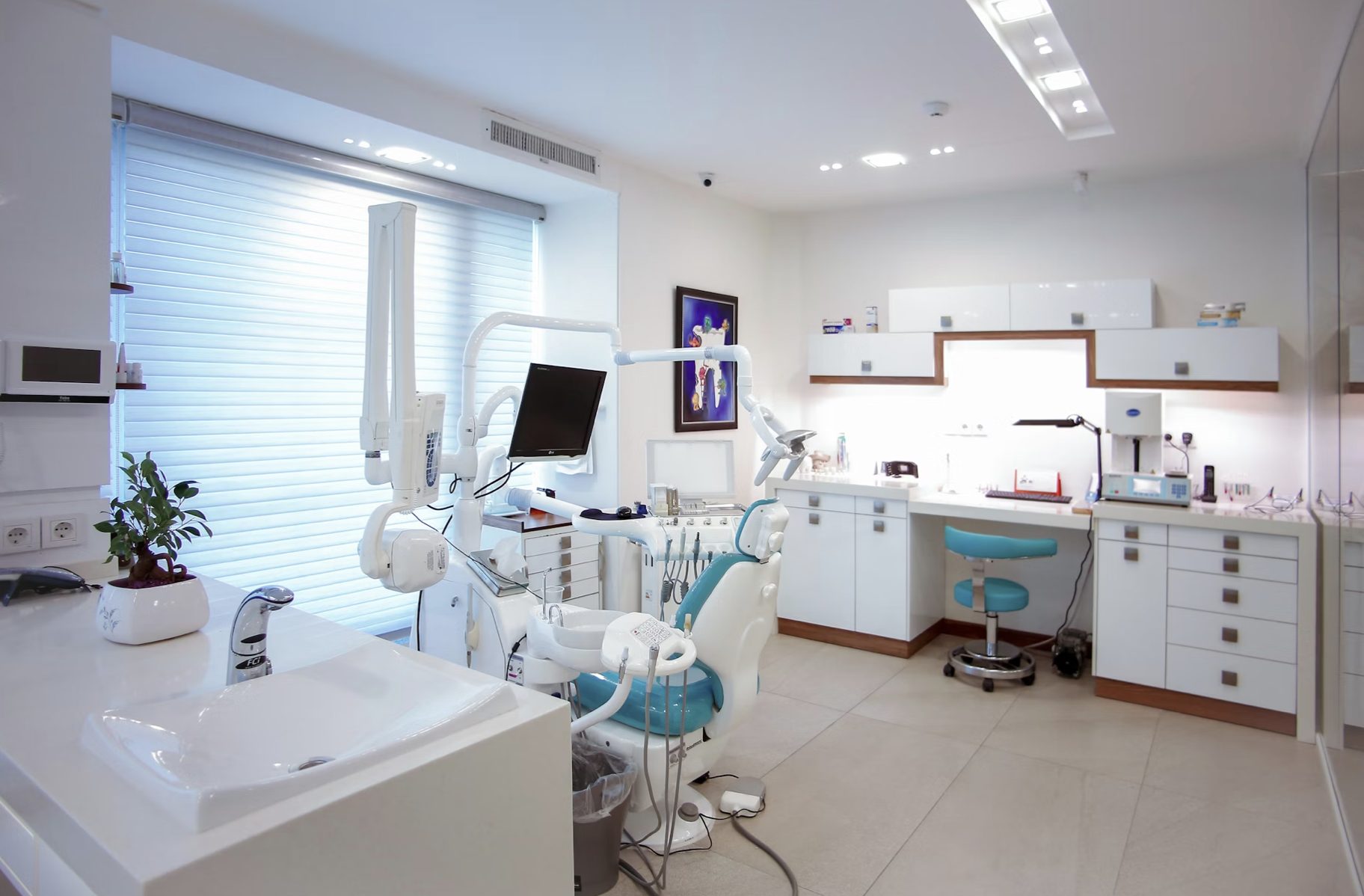
Despite language challenges, Japan’s healthcare system is considered one of the best in the world. Hospitals are clean, well-equipped, and staffed with highly trained professionals.
Medical technology is advanced, and treatment costs are generally lower than in many Western countries.
For foreigners, the key is simply finding hospitals where communication is easy and comfortable.
Chapter 2: Types of English-Speaking Medical Facilities in Tokyo
Not all English-speaking medical facilities in Tokyo operate in the same way. Some are large hospitals, while others are small international clinics designed specifically for foreign patients.
Understanding the different types of medical institutions can help foreigners choose the right place for treatment.
International Clinics
International clinics are the most popular option for foreigners living in Tokyo.
These clinics are designed specifically to serve non-Japanese patients. Doctors and staff usually speak English fluently, and many clinics also provide support in additional languages such as Chinese, Korean, or French.
Services typically include:
- General medical consultations
- Preventive healthcare
- Vaccinations
- Health checkups
- Minor treatments
International clinics often offer longer consultation times compared to regular Japanese clinics, allowing patients to discuss their health concerns more thoroughly.
Large General Hospitals
Some major hospitals in Tokyo provide international medical departments.
These hospitals are usually large institutions with multiple departments, including:
- Internal medicine
- Surgery
- Pediatrics
- Orthopedics
- Cardiology
- Obstetrics and gynecology
Many of these hospitals offer medical interpreters or international patient services to assist foreign patients.
Large hospitals are ideal for:
- Serious medical conditions
- Specialist treatment
- Advanced medical procedures
- Hospitalization
However, appointments may take longer to schedule compared to smaller clinics.
Specialized Clinics
Specialized clinics focus on particular areas of medicine.
Some common examples include:
- Dental clinics
- Dermatology clinics
- Mental health clinics
- Orthopedic clinics
- Women’s health clinics
Many of these specialized facilities offer English-language services due to demand from the international community.
Walk-In Clinics vs Appointment Clinics
Medical facilities in Tokyo may operate under different systems.
Walk-in clinics allow patients to visit without an appointment. These are convenient for minor illnesses such as colds or minor injuries.
Appointment-based clinics require patients to book in advance. These clinics often provide longer consultation times and more personalized care.
International Insurance Support
Many English-speaking clinics accept international health insurance.
Some clinics offer direct billing with global insurance providers, which means patients do not need to pay upfront.
Others require payment first, followed by reimbursement through insurance claims.
Costs of International Clinics
International clinics tend to be more expensive than regular Japanese clinics. This is because they provide additional services such as English-speaking staff and international billing systems.
However, many foreigners prefer these clinics due to the ease of communication and convenience.
Chapter 3: Major English-Speaking Hospitals in Tokyo
Tokyo has several well-known hospitals that provide English-speaking services. These institutions are trusted by both Japanese and international patients.
Many of them have dedicated international departments designed to support foreign residents.
St. Luke’s International Hospital
St. Luke’s International Hospital is one of the most famous hospitals in Tokyo for international patients.
Founded in 1901, it has a long history of providing high-quality medical care. The hospital offers a wide range of medical departments and has an international healthcare center where English-speaking staff assist foreign patients.
Services include:
- General medical care
- Emergency treatment
- Specialized medical services
- Health screenings
The hospital is known for its modern facilities and highly experienced doctors.
Sanno Hospital
Sanno Hospital is another top medical institution popular among expats in Tokyo.
Located in the Minato area, the hospital is particularly well known for women’s healthcare and maternity services.
Many international families choose Sanno Hospital for pregnancy care and childbirth.
The hospital provides:
- Obstetrics and gynecology
- Pediatrics
- Internal medicine
- Surgery
English-speaking doctors and staff are available throughout the facility.
Tokyo Saiseikai Central Hospital
This hospital is part of one of Japan’s largest medical networks.
It offers a wide range of departments and advanced medical equipment. International patients can receive support through its foreign patient assistance services.
The hospital is known for providing reliable medical care at relatively affordable costs compared to some private international clinics.
The Jikei University Hospital
The Jikei University Hospital is a large teaching hospital affiliated with a major medical university.
Teaching hospitals often provide advanced treatments and access to the latest medical technologies.
The hospital has international support services and accepts many foreign patients each year.
Kitasato Institute Hospital
Kitasato Institute Hospital is another respected institution in Tokyo.
It provides comprehensive medical services including internal medicine, surgery, and specialty treatments.
Many doctors here have international training and experience treating foreign patients.
When to Choose a Large Hospital
Large hospitals are usually recommended for:
- Complex medical conditions
- Surgery
- Hospital admission
- Specialist consultations
- Advanced diagnostic testing
However, for minor illnesses, smaller clinics may be more convenient and faster.
Chapter 4: Popular English-Speaking Clinics in Tokyo
While large hospitals provide comprehensive medical services, many foreigners prefer smaller international clinics for everyday healthcare.
These clinics typically provide faster service, shorter waiting times, and more personalized care.
Several clinics in Tokyo have built strong reputations among the international community.
American Clinic Tokyo
American Clinic Tokyo is located in the Roppongi area, which is one of the main international districts in the city.
The clinic focuses on providing Western-style healthcare services and is well known among expats.
Services include:
- General medical consultations
- Vaccinations
- Health screenings
- Preventive care
The clinic’s doctors and staff communicate primarily in English.
Tokyo Medical and Surgical Clinic
Tokyo Medical and Surgical Clinic is one of the largest international clinics in Tokyo.
It offers a wide range of services including:
- General medicine
- Pediatrics
- Orthopedics
- Dermatology
- Travel medicine
The clinic also provides imaging services such as X-rays and ultrasound.
Medical Clinic Hiroo
Located near the Hiroo area, Medical Clinic Hiroo is another popular choice among foreign residents.
The clinic offers family medicine services and has English-speaking doctors who treat both adults and children.
Patients appreciate the clinic’s friendly atmosphere and convenient location.
National Medical Clinic
National Medical Clinic provides comprehensive healthcare services for international patients.
The clinic is known for offering longer consultation times compared to typical Japanese clinics.
This allows doctors to carefully discuss symptoms and treatment options with patients.
Roppongi Hills Clinic
Roppongi Hills Clinic is located inside one of Tokyo’s most famous commercial complexes.
The clinic provides advanced medical services and health screening programs.
Many business professionals and expatriates use this clinic due to its convenient location and professional services.
Sendagaya International Clinic
Sendagaya International Clinic is another facility that offers English-language medical services.
The clinic focuses on general healthcare and preventive medicine.
Patients often choose this clinic for regular checkups and ongoing medical care.
Chapter 5: English-Speaking Specialist Clinics in Tokyo
In addition to general clinics and hospitals, Tokyo also offers many specialized clinics where foreigners can receive treatment in English.
These clinics focus on specific medical fields and provide expert care for particular health issues.
English-Speaking Dental Clinics
Dental care is one of the most commonly requested services among foreigners in Tokyo.
Many dental clinics now provide English-speaking dentists and staff.
Services include:
- Routine dental cleaning
- Cavities treatment
- Root canal therapy
- Dental implants
- Cosmetic dentistry
Some clinics also specialize in treating international patients and accepting foreign insurance.
Dermatology Clinics
Skin problems such as allergies, acne, or infections are common reasons for visiting dermatologists.
Several dermatology clinics in Tokyo offer consultations in English.
These clinics provide treatments for:
- Acne
- Skin infections
- Allergic reactions
- Eczema
- Cosmetic skin procedures
Women’s Health Clinics
Women’s health clinics are particularly important for foreign residents.
These clinics provide services such as:
- Gynecological checkups
- Pregnancy care
- Birth control consultations
- Fertility treatments
Some hospitals and clinics specialize in maternity care for international families.
Mental Health Clinics
Mental health awareness has increased significantly in recent years.
Tokyo now has several mental health clinics offering counseling and psychiatric care in English.
Services may include:
- Psychological counseling
- Stress management
- Anxiety treatment
- Depression treatment
- Family therapy
These clinics provide a safe environment where foreigners can discuss personal issues in their native language.
Orthopedic Clinics
Orthopedic clinics treat injuries related to bones, joints, and muscles.
Many athletes and active residents seek treatment for:
- Sports injuries
- Back pain
- Joint problems
- Physical rehabilitation
English-speaking orthopedic specialists are available at several clinics in Tokyo.
The Importance of Specialized Care
Choosing the right specialist can greatly improve treatment outcomes.
For foreigners in Tokyo, finding specialists who speak English ensures that patients can fully understand their diagnosis, treatment options, and recovery plans.
Chapter 6: Medical Costs in Tokyo for Foreigners
One of the biggest concerns for foreigners seeking healthcare in Tokyo is the cost of medical treatment. Fortunately, Japan’s healthcare system is known for being both high quality and relatively affordable compared to many Western countries.
However, the cost of treatment can vary significantly depending on whether the patient has Japanese health insurance or not.
Understanding how the Japanese healthcare system works can help foreigners avoid unexpected medical expenses.
Japan’s Universal Healthcare System
Japan operates under a universal healthcare system that covers all residents. Most people living in Japan are enrolled in either:
- National Health Insurance (NHI)
- Social Health Insurance through an employer
Under this system, patients usually pay only 30% of the medical cost, while the remaining 70% is covered by insurance.
For example:
| Treatment | Total Cost | Patient Pays (30%) |
|---|---|---|
| Doctor consultation | ¥5,000 | ¥1,500 |
| Blood test | ¥8,000 | ¥2,400 |
| X-ray | ¥6,000 | ¥1,800 |
This system keeps healthcare affordable for residents.
Medical Costs Without Insurance
Foreign tourists or short-term visitors who do not have Japanese insurance must pay the full cost of treatment.
Typical examples include:
| Treatment | Approximate Cost |
|---|---|
| Basic clinic consultation | ¥8,000 – ¥20,000 |
| Emergency hospital visit | ¥20,000 – ¥60,000 |
| MRI scan | ¥40,000 – ¥100,000 |
| Hospital admission (per day) | ¥30,000 – ¥100,000 |
International clinics sometimes charge higher consultation fees because they offer English-speaking services and longer consultation times.
International Health Insurance
Many foreigners living in Tokyo use international health insurance plans from global providers.
Some international clinics offer direct billing, meaning the clinic sends the invoice directly to the insurance company. This allows patients to receive treatment without paying large amounts upfront.
Other clinics require payment first, after which patients submit receipts to their insurance provider for reimbursement.
Before visiting a clinic, it is always recommended to confirm:
- Whether international insurance is accepted
- Whether direct billing is available
- What documents are required for insurance claims
Payment Methods
Most hospitals and clinics in Tokyo accept:
- Credit cards
- Cash
- IC cards (in some clinics)
Large hospitals almost always accept major credit cards such as Visa or Mastercard.
Smaller clinics sometimes prefer cash payments.
Health Checkups in Japan
Health screenings are very common in Japan. Many clinics offer comprehensive health checkups called “Ningen Dock.”
These screenings may include:
- Blood tests
- Cancer screening
- Heart examination
- Ultrasound
- Lifestyle disease checks
Health check packages range from ¥30,000 to over ¥100,000, depending on the number of tests included.
Chapter 7: How to Visit a Hospital in Tokyo
For foreigners unfamiliar with Japan’s healthcare system, visiting a hospital can feel confusing. However, once you understand the process, it becomes much easier.
Most medical visits follow a standard procedure.
Step 1: Make an Appointment
Many clinics in Tokyo require appointments.
Appointments can usually be made through:
- Online booking systems
- Telephone reservations
- Hospital websites
- Medical apps
Some clinics also accept walk-in patients.
However, appointment scheduling is recommended because waiting times can be long without one.
Step 2: Complete Registration
When arriving at a hospital or clinic, patients usually need to complete registration.
You may be asked to present:
- Passport
- Residence card (if living in Japan)
- Health insurance card
- Referral letter (if visiting a large hospital)
Patients must also fill out a medical questionnaire explaining their symptoms and medical history.
Many international clinics provide forms in English.
Step 3: Medical Consultation
During the consultation, the doctor will ask about symptoms and perform a medical examination.
Common questions include:
- When did the symptoms begin?
- Where does it hurt?
- Have you taken medication?
- Do you have allergies?
English-speaking clinics allow patients to communicate comfortably with doctors and ask detailed questions.
Step 4: Tests and Diagnosis
Depending on the symptoms, doctors may order additional tests such as:
- Blood tests
- X-rays
- CT scans
- Ultrasound
Some clinics have these facilities on-site, while others may refer patients to larger hospitals.
Step 5: Prescription
After diagnosis, the doctor may provide a prescription for medication.
In Japan, patients usually receive medication from a separate pharmacy rather than directly from the clinic.
Patients take their prescription to a nearby pharmacy where pharmacists prepare the medication.
Step 6: Payment
Payment is typically made after the consultation.
Patients receive:
- A receipt
- Medical reports (if requested)
- Prescription documents
These documents may be required for insurance reimbursement.
Chapter 8: Emergency and Night Medical Services in Tokyo
Medical emergencies can happen at any time. Knowing how to access emergency medical services in Tokyo is extremely important for foreigners.
Japan has a reliable emergency response system, but understanding how to use it can make a big difference in critical situations.
Calling an Ambulance
In Japan, the emergency number for ambulance services is 119.
Operators will ask several questions, including:
- Location of the emergency
- Type of injury or illness
- Patient’s condition
- Contact information
Ambulance services in Japan are generally free, which is different from many other countries.
However, patients are still responsible for hospital treatment costs.
Night and Weekend Clinics
Many regular clinics close in the evening.
However, Tokyo offers several medical facilities that provide night or weekend services.
These include:
- Night emergency clinics
- Holiday medical centers
- Large hospitals with 24-hour emergency departments
These facilities are especially useful for treating sudden illnesses during nights or holidays.
English Support in Emergencies
While ambulance operators may have limited English ability, Tokyo has improved its multilingual emergency support in recent years.
Some hospitals provide interpretation services for foreign patients.
Additionally, several medical hotlines offer assistance in English and other languages.
Medical Interpretation Services
In cases where English-speaking doctors are not available, some hospitals provide professional interpreters.
Interpretation may be offered through:
- On-site interpreters
- Phone interpretation services
- Video interpretation systems
This helps ensure that patients and doctors can communicate accurately during treatment.
Travel Emergencies
Tourists who become ill during travel should contact:
- Their travel insurance provider
- The nearest international clinic
- Their embassy if necessary
Travel insurance companies often recommend specific hospitals that provide English-language services.
Chapter 9: Tips for Receiving Medical Care in English
Even when visiting English-speaking clinics, it helps to prepare in advance before seeking medical care in Tokyo.
Proper preparation can make the medical visit smoother and more effective.
Prepare Your Medical Information
Before visiting a clinic, it is helpful to bring important medical information such as:
- List of medications
- Allergy information
- Previous medical records
- Vaccination history
Doctors can provide more accurate treatment when they have access to this information.
Describe Symptoms Clearly
Patients should try to explain symptoms as clearly as possible.
Important details include:
- Location of pain
- Duration of symptoms
- Severity of symptoms
- Triggers or worsening conditions
Writing these details down before the visit can help ensure nothing is forgotten.
Use Translation Tools if Necessary
Even in English-speaking clinics, some medical documents may still appear in Japanese.
Useful tools include:
- Smartphone translation apps
- Medical phrase guides
- Online symptom checkers
These tools can assist patients in understanding instructions or medication information.
Ask Questions
Patients should never hesitate to ask doctors questions such as:
- What is the diagnosis?
- What treatment is recommended?
- Are there alternative treatments?
- How long will recovery take?
Clear communication helps patients feel more confident about their medical care.
Keep Medical Records
After treatment, it is helpful to keep copies of:
- Medical reports
- Test results
- Prescriptions
- Receipts
These documents may be necessary for insurance claims or future medical visits.
Chapter 10: A Complete Guide to Safe Healthcare in Tokyo
Tokyo offers one of the safest and most advanced healthcare systems in the world. With modern hospitals, experienced doctors, and high medical standards, patients can feel confident receiving treatment in the city.
For foreigners, the key to a positive medical experience is knowing where to go and how to access services in English.
Advantages of Healthcare in Tokyo
Tokyo’s medical system offers several advantages:
- Highly trained medical professionals
- Advanced medical technology
- Clean and modern hospitals
- Efficient healthcare services
- Relatively affordable treatment costs
These factors make Tokyo an excellent place to receive medical care.
Choosing the Right Medical Facility
Foreign patients should choose medical facilities based on their needs.
International clinics are best for routine medical care and minor illnesses.
Large hospitals are recommended for specialized treatment or serious conditions.
Specialist clinics are ideal for specific medical issues such as dental care or dermatology.
Planning Ahead
Foreign residents and long-term visitors should prepare for medical needs by:
- Identifying nearby English-speaking clinics
- Confirming insurance coverage
- Keeping emergency numbers accessible
- Maintaining personal medical records
Planning ahead can save valuable time during medical emergencies.
Growing International Healthcare Services
As Tokyo continues to attract international residents and visitors, the number of English-speaking medical facilities continues to grow.
Many hospitals are expanding international patient services, offering multilingual support and modern healthcare solutions.
This trend makes Tokyo increasingly welcoming for foreigners who need medical care.
Final Thoughts
Finding reliable English-speaking hospitals and clinics in Tokyo is essential for foreigners living in or visiting the city.
By understanding the healthcare system, knowing where to go, and preparing in advance, international residents can receive safe and effective medical care without language barriers.
Tokyo’s healthcare network continues to improve its support for the global community, making it easier than ever for foreigners to access high-quality medical treatment.