Where to Buy Furniture and Appliances in Tokyo
Understanding the Tokyo Furniture & Appliance Market
Chapter 1: What Foreign Residents Should Know Before Buying Furniture and Appliances in Tokyo
Moving to Tokyo is exciting, but furnishing an apartment can quickly become overwhelming—especially for foreign residents unfamiliar with Japan’s housing standards, retail culture, and logistics. Unlike many countries where apartments are spacious and furniture is easily interchangeable, Tokyo presents a unique set of constraints that directly affect what you should buy and where you should buy it.
The first challenge is space. Tokyo apartments are generally smaller, with narrow hallways, tight staircases, and limited elevator access. Furniture that fits comfortably in a Western home may be impossible to move into a Japanese apartment. This reality makes precise measurement essential before purchasing anything larger than a chair.
The second challenge is compatibility. Appliances in Japan operate on 100 volts, and although plug shapes are similar to those in North America, not all imported appliances are suitable. In addition, Japan uses two different frequencies—50Hz in eastern Japan (including Tokyo) and 60Hz in western regions—which can affect certain appliances.
Third, foreign residents often underestimate delivery logistics. Many stores require advance scheduling, charge additional fees for stairs or special handling, and may refuse delivery if access is too narrow. Understanding these constraints early will save time, money, and frustration.
This guide is designed to help foreign residents navigate the Tokyo furniture and appliance market efficiently. Whether you are staying for six months or settling in long term, knowing where to shop—and how—will make your life significantly easier.
Chapter 2: Price Ranges and Store Categories in Tokyo
Tokyo offers an enormous range of furniture and appliance options, from ultra-budget solutions to high-end designer pieces. Understanding the main categories helps narrow down where you should shop.
Low-price retailers focus on affordability and speed. These stores are popular with students, short-term residents, and anyone furnishing an apartment quickly. Quality is generally acceptable but not designed for decades of use.
Mid-range retailers emphasize balance. They offer better materials, thoughtful design, and reasonable durability at prices suitable for long-term residents. Many Japanese brands fall into this category, making them a popular choice for foreign professionals.
High-end and designer stores cater to customers who value aesthetics, craftsmanship, and brand reputation. Prices are significantly higher, and delivery times may be longer, but quality is correspondingly superior.
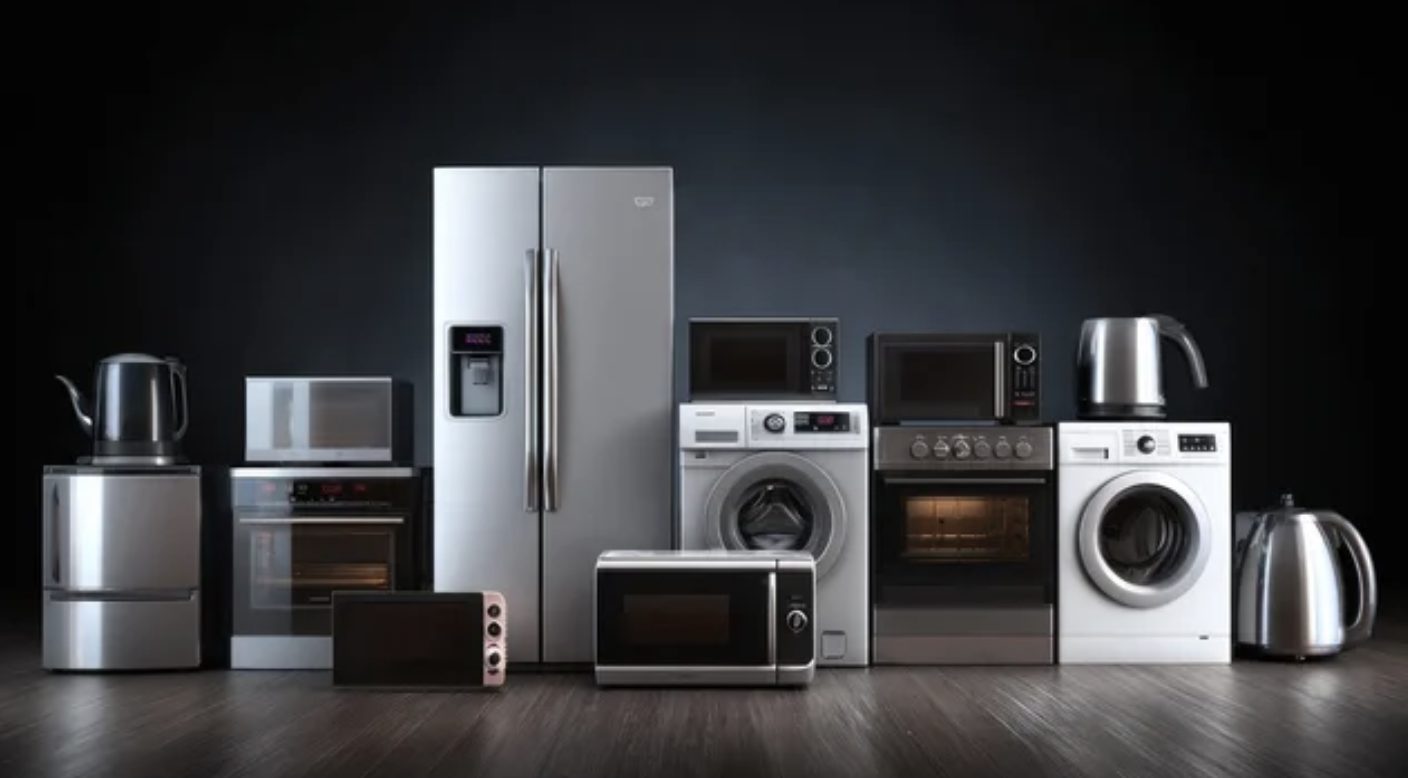
Appliance retailers follow a similar structure. Large electronics chains dominate the market, offering competitive pricing, point systems, and extensive after-sales support. Understanding these systems can result in substantial savings.
Choosing the right category depends on your budget, length of stay, and willingness to resell or dispose of items later.
Chapter 3: Budget-Friendly Furniture and Appliance Stores
For many foreign residents, cost and convenience are the top priorities when first arriving in Tokyo. Fortunately, several major retailers specialize in affordable furniture and appliances.
Nitori is often described as Japan’s equivalent of IKEA, but with a stronger focus on Japanese apartment sizes. Its products are compact, functional, and reasonably priced. Nitori also offers delivery, assembly services, and basic appliances suitable for small apartments.
IKEA remains popular among foreigners due to its familiar style and multilingual support. However, some IKEA furniture is designed for larger spaces, making careful measurement essential. Delivery fees can be high depending on distance and access conditions.
Don Quijote is best known as a discount retailer, but many locations sell basic furniture and appliances. Quality varies, but prices are low, and immediate purchase without long delivery waits is a major advantage.
Second-hand chains such as Second Street and Hard-Off offer used furniture and appliances at deep discounts. For short-term residents, these stores can be a cost-effective solution, though warranty coverage is limited.
Chapter 4: Mid-Range Japanese Brands with Strong Value
Foreign residents planning to stay in Tokyo for several years often gravitate toward Japanese mid-range brands that combine design, durability, and practicality.
Muji (MUJI) is one of the most recognizable brands in this category. Known for minimalist design and neutral aesthetics, Muji furniture fits well in small apartments. Appliances are simple, reliable, and visually unobtrusive, making them ideal for compact living spaces.
Francfranc offers more decorative and stylish options, appealing to those who want personality without entering the luxury price range. Its products are particularly popular among young professionals.
KEYUCA focuses on functional design optimized for Japanese homes. While less internationally known, it offers excellent storage solutions and furniture designed specifically for limited space.
When it comes to appliances, Japanese manufacturers such as Panasonic, Sharp, and Toshiba dominate the market. Their products are energy-efficient, quiet, and designed to last. Buying domestic brands also ensures easy access to service and replacement parts.
Chapter 5: High-End and Designer Furniture in Tokyo
Tokyo is also home to an impressive selection of high-end furniture retailers catering to design-conscious residents. These stores are ideal for long-term residents, homeowners, or expatriates with housing allowances.
ACTUS is one of Japan’s most respected furniture retailers, offering a mix of European brands and original designs. Quality is high, and staff are experienced in handling complex deliveries.
BoConcept provides modern, customizable furniture with a strong international aesthetic. Prices are higher, but flexibility in size and configuration can be valuable for unusual apartment layouts.
Karimoku is a Japanese brand renowned for craftsmanship and wood quality. Its furniture is durable and timeless, often chosen by customers planning to stay in Japan long term.
Luxury brands such as Cassina ixc. target customers seeking iconic designs. These purchases should be approached carefully, as resale and relocation can be challenging.
End of Part 1. Part 2 will cover online shopping, second-hand options, delivery logistics, warranties, and lifestyle-based buying strategies.
Practical Buying Strategies and Logistics (Chapters 6–10)
Chapter 6: Buying Furniture and Appliances Online in Japan
Online shopping is extremely common in Japan and can be a convenient option for foreign residents, especially those who are busy with work or language study. However, buying furniture and appliances online comes with unique risks that should be understood in advance.
Amazon Japan is often the first choice for foreigners due to its familiar interface and relatively easy English navigation. It offers a wide range of appliances and basic furniture, fast delivery, and clear return policies. However, large-item delivery may still involve additional coordination, and installation services are limited.
Rakuten and Yahoo! Shopping operate more like marketplaces. Prices can be competitive, especially when using point campaigns, but product descriptions and customer support are usually in Japanese. This can make it harder to confirm dimensions, installation requirements, or warranty conditions.
Manufacturer-operated online stores are another reliable option. Buying directly from brands such as Panasonic or Muji ensures authenticity, full warranty coverage, and professional installation. Delivery times may be longer, but service quality is generally high.
When shopping online, always double-check dimensions, delivery conditions, and whether installation and old-item removal are included. Online convenience does not eliminate the logistical realities of Tokyo apartments.
Chapter 7: Second-Hand, Recycle Shops, and Outlet Stores
Second-hand furniture and appliances are widely available in Tokyo and can be an excellent choice for budget-conscious or short-term residents.
Recycle shops specialize in used items that have been inspected and cleaned. Many offer limited warranties on appliances, providing some peace of mind. Prices are significantly lower than new items, making them attractive for temporary stays.
Outlet stores sell new products with minor cosmetic defects or discontinued models. These stores are especially popular for appliances, as functionality is unaffected. Warranty coverage is usually the same as standard retail products.
Foreign residents should be cautious when buying used appliances privately, such as through online classifieds. While prices may be low, there is little protection if the item fails. Disposal costs in Japan can also be surprisingly high, reducing the apparent savings.
Understanding resale and disposal rules is part of smart purchasing. Items that are cheap to buy but expensive to discard may not be good value in the long run.
Chapter 8: Delivery, Installation, and After-Sales Support
Delivery logistics are one of the most important—and misunderstood—aspects of buying furniture and appliances in Tokyo.
Most major retailers offer delivery and installation services for an additional fee. These services often include carrying items into the room, basic assembly, installation, and removal of packaging. For appliances, professional installation is strongly recommended.
Additional fees may apply for stairs, narrow access, or special scheduling. Some buildings restrict delivery hours, and failure to comply can result in canceled deliveries.
After-sales support is another critical factor. Japanese retailers place strong emphasis on customer service, but communication may be limited to Japanese. Extended warranties are commonly offered and can be worthwhile for large appliances.
Foreign residents should keep all receipts, manuals, and warranty documents. These are often required for repairs or replacements.
Chapter 9: Practical Issues Foreign Residents Often Overlook
Several practical details frequently cause problems for foreign residents.
Size compatibility is the most common issue. Door widths, elevator dimensions, and turning space in hallways must all be considered. Measuring only the room itself is not sufficient.
Electrical compatibility is another concern. While most modern appliances support both 50Hz and 60Hz, older or imported devices may not. Using incompatible appliances can cause performance issues or damage.
Language limitations can also affect purchasing decisions. Some stores provide excellent service but only in Japanese. Others offer English support but at higher prices. Choosing between price and communication clarity is a personal decision.
Finally, building rules may restrict drilling, wall mounting, or even certain appliance types. These rules should be confirmed before purchase.
Chapter 10: Choosing the Right Strategy Based on Your Stay Length
The ideal furniture and appliance strategy depends largely on how long you plan to stay in Tokyo.
For short-term stays of less than one year, minimizing upfront costs and disposal hassle is usually the priority. Second-hand purchases, basic retailers, or furnished apartments often make the most sense.
For medium-term stays of one to three years, a balance between cost and quality becomes important. Mid-range Japanese brands offer durability without excessive expense and retain some resale value.
For long-term residents or families, investing in high-quality furniture and reliable appliances can improve daily life significantly. In these cases, delivery quality, warranties, and after-sales support become more important than initial price.
Some residents choose a hybrid approach—renting certain items while buying others. Understanding all available options allows you to tailor your setup to your lifestyle and future plans.