Why Cafes and Co-working Spaces Matter for Expats in Japan
Living and working in Japan as an expat can be deeply rewarding, but it often requires adjusting to systems and social norms that are very different from those in Western countries. Japan consistently ranks high for safety, efficiency, and quality of life, yet many foreigners quickly discover that everyday working habits—such as where and how to work—require careful adaptation.
One of the most common surprises for expats is how difficult it can be to find a comfortable place to work outside the home. While Japan is filled with cafés, libraries, and public spaces, not all of them are suitable—or welcoming—for laptop work, online meetings, or long stays.
Understanding why cafés and co-working spaces matter so much is the first step to building a sustainable work routine in Japan.
The Changing Landscape of Work in Japan
Japan has traditionally been known for office-based work culture. However, in recent years, several factors have changed the way people work:
- The rise of remote work and global teams
- An increase in foreign professionals and entrepreneurs
- Government initiatives to attract digital nomads and startups
- More international students working freelance or remotely
As a result, the demand for flexible workspaces has grown rapidly, especially in major cities such as Tokyo, Osaka, Kyoto, and Fukuoka.
For expats, these spaces are often more than just workplaces—they are gateways into daily life in Japan.
Why Working from Home Is Not Always Practical
At first glance, working from home may seem like the easiest option. However, many expats quickly face reality:
- Apartments in Japan are often smaller than expected
- Desk space may be limited or improvised
- Thin walls make phone calls or meetings stressful
- Neighbors are close, and noise etiquette is strict
Beyond physical limitations, there are also psychological challenges. Many expats report:
- Difficulty switching off from work
- Loss of daily structure
- Loneliness, especially for those living alone
- Fewer chances to interact with others in English
Because of this, many expats actively seek places outside the home that provide both focus and human presence.
Café Culture in Japan: What Expats Need to Understand
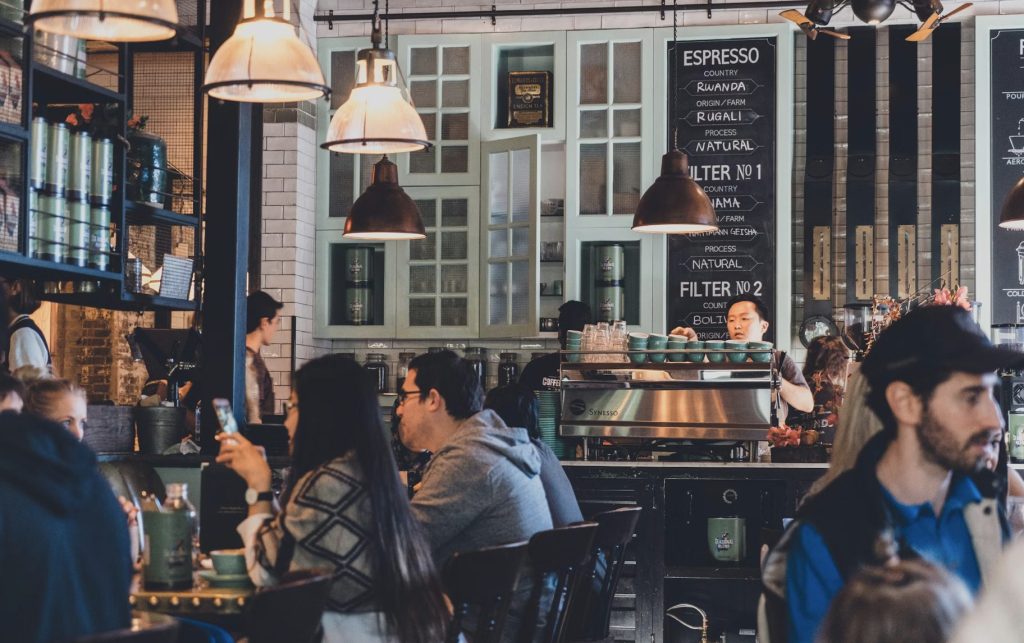
Cafés play a central role in daily life in Japan, but their purpose differs from country to country. In Japan:
- Cafés are often seen as places for short breaks
- Turnover during busy hours is important
- Silence and consideration for others are highly valued
This creates an unspoken rule system that can be confusing for foreigners. Staff may never tell you directly that:
- Laptop use is discouraged
- Long stays are inconvenient
- Phone calls are not welcome
Instead, signs may be subtle—or not exist at all.
This uncertainty causes stress, especially for newcomers who want to be polite but don’t fully understand local expectations.
Co-working Spaces as Safe Zones for Expats
This is where co-working spaces become extremely important. For many expats, co-working spaces function as:
- Clearly defined work environments
- English-friendly spaces
- Social hubs for international communities
- Reliable places for meetings and calls
Unlike cafés, co-working spaces are built with productivity in mind. Rules are clear, expectations are shared, and infrastructure is designed for work.
For expats who are still learning Japanese—or navigating life in Japan—this clarity can be a huge relief.
More Than Work: Emotional and Social Value
Cafés and co-working spaces also play a critical emotional role. They help expats:
- Create daily routines
- Avoid isolation
- Feel part of a community
- Build confidence living in Japan
Many long-term expats say that finding the right work space was a turning point in feeling comfortable and settled in Japan.
Part 2: Cafes vs Co-working Spaces – What’s the Difference?
Once expats start looking for places to work, they usually compare two main options: cafés and co-working spaces. Although both can be useful, they serve very different purposes and fit different lifestyles.
Understanding these differences helps expats avoid frustration and choose spaces intentionally rather than by trial and error.
Working in Cafés: Flexibility and Atmosphere
Why Expats Love Cafés
Cafés are attractive because they offer:
- Immediate access without registration
- Low commitment and flexible use
- A relaxed, informal environment
- Inspiration from surroundings and people
For creative tasks—writing, brainstorming, planning—cafés can be ideal. Many expats also enjoy the sense of anonymity and movement that cafés provide.
The Reality of Café Work in Japan
However, café work in Japan comes with specific limitations:
- Laptop-friendly policies vary widely
- Power outlets may be limited to certain seats
- Peak hours make long stays uncomfortable
- Online meetings can feel socially inappropriate
Some cafés explicitly prohibit laptop use, while others allow it only during quiet hours. Understanding these differences often comes from experience—or mistakes.
Because of this, cafés work best for:
- Short sessions
- Quiet, individual tasks
- Flexibility rather than structure
Co-working Spaces: Structure, Stability, and Community
Why Co-working Spaces Appeal to Expats
Co-working spaces are designed for people who need:
- Consistent work environments
- Reliable Wi-Fi and power
- Spaces for calls and meetings
- Clear rules and expectations
Many co-working spaces in Japan actively welcome foreigners. It is common to find:
- English-speaking staff
- International members
- Events held in English
- Support for startups and freelancers
For expats, this can dramatically reduce stress.
Costs and Commitment
The main drawback of co-working spaces is cost. Compared to cafés:
- Membership fees are higher
- Contracts may feel complex
- The atmosphere is more professional
However, many expats see this as an investment rather than an expense—especially those working full-time or running businesses.
Choosing Based on Lifestyle, Not Just Price
There is no single “best” option. The right choice depends on:
- How many hours you work
- Whether you need calls or meetings
- Your budget
- Your need for social interaction
Many experienced expats combine both options strategically.
A Balanced Approach Many Expats Use
A common routine looks like this:
- Cafés for mornings, planning, or creative work
- Co-working spaces for focused sessions and meetings
This approach allows expats to enjoy Japan’s café culture while maintaining productivity and professionalism.
Final Thoughts: Building a Sustainable Work Life in Japan
Living in Japan as an expat means constantly balancing adaptation and comfort. Cafés and co-working spaces are not just conveniences—they are tools that help expats:
- Work effectively
- Stay mentally healthy
- Build routines
- Connect with others
By understanding how these spaces function within Japanese culture, expats can make informed choices and create a work life that feels both productive and sustainable.