Best Parks and Outdoor Spaces Near Central Tokyo
Chapter 1: Introduction — Why Central Tokyo’s Parks Are Exceptional
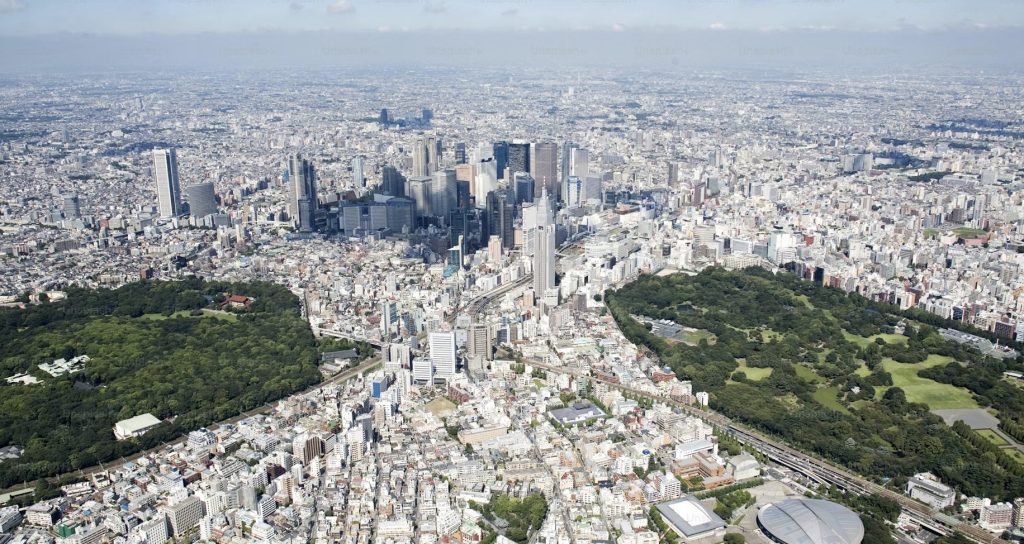
Central Tokyo is often portrayed through images of shimmering skyscrapers, neon-lit intersections, dense train networks, and tightly packed apartments. While these impressions hold true, they overshadow another remarkable and equally defining element of the city: its parks. Tokyo is one of the most populous metropolitan areas in the world, yet it remains surprisingly green. The Japanese capital has mastered the art of blending nature with urban efficiency, making public parks and outdoor spaces an essential part of everyday life for residents and visitors alike.
To understand Tokyo’s parks, you first need to understand the city’s contradictory personality. Tokyo is orderly, fast-paced, and immensely productive, yet it holds an equally deep appreciation for quietude, introspection, and natural beauty. This balance is an important aspect of Japanese culture: the idea that even in the middle of modernity, there are sanctuaries where people can slow down, observe the seasons, and reconnect with something calm and grounding.
Central Tokyo — especially the districts of Chiyoda, Chūō, and Minato — offers some of the city’s most iconic outdoor spaces. These areas are the political, commercial, and cultural heart of Japan. They host government offices, multinational headquarters, embassies, luxury hotels, and major transport hubs. Despite being among the busiest areas in the country, they also offer a surprisingly generous collection of parks, gardens, riverside promenades, and historical green sanctuaries.
Visitors are often amazed by this contrast. One moment you might be walking through Marunouchi, surrounded by corporate towers and the rushing crowd of Tokyo Station. A few steps later, you’re immersed in the quiet calm of the Imperial Palace moat, listening to rustling bamboo or watching swans glide across the water. This sudden transition from “ultra-urban” to “serene nature” is part of Tokyo’s magic.
Central Tokyo’s parks are exceptional for several reasons:
1. Accessibility
Most major parks are within walking distance of multiple train stations. Many are free, or very affordable, making them some of the most accessible nature spaces of any global metropolis.
2. Historical significance
Many parks were once the gardens of feudal lords, imperial estates, or important cultural sites. Walking through these spaces gives visitors a sense of continuity with Japan’s deep history.
3. Seasonal beauty
Tokyo’s seasons are distinct and vivid. Parks transform dramatically:
- Cherry blossoms in spring
- Deep, lush greenery in summer
- Fiery autumn foliage
- Serene, peaceful landscapes in winter
These changes give parks an entirely different character throughout the year.
4. Cultural events and local life
Parks host everything from weekend yoga groups to flea markets, festivals, photography meetups, and local community gatherings.
5. Safety and cleanliness
Tokyo’s parks are meticulously maintained. Trash is rare, water features are well-kept, and paths are clean. This makes outdoor spaces comfortable and enjoyable for families, tourists, and solo travelers alike.
This blog will guide you through Central Tokyo’s ten most notable parks and outdoor spaces — not simply listing their features but explaining what makes each unique, how to best enjoy them, and why they continue to attract both locals and foreigners living in Tokyo. The first five chapters focus on outdoor spaces surrounding the Imperial Palace, Tokyo’s oldest urban parks, and key green areas near major business hubs.
Let’s begin with the area that lies at the literal and symbolic center of Japan: the vast green zone surrounding the Imperial Palace.
Chapter 2: The Imperial Palace Outer Gardens & Kitanomaru Park
The Imperial Palace — located in Chiyoda Ward — is not only home to Japan’s Imperial Family but also one of the most expansive green spaces in central Tokyo. While most of the inner palace grounds are closed to the public, the Outer Gardens (Kōkyo Gaien) and the adjacent Kitanomaru Park offer some of the most scenic landscapes in the city.
A Landscape Built on the Past
The palace sits on the former site of Edo Castle, once the headquarters of the Tokugawa shogunate. Unlike modern parks, the Imperial Palace’s surroundings are not simply green spaces. They are living historical landscapes filled with stone walls, massive gates, moats, and surviving structures of Japan’s feudal past.
Walking along the wide gravel paths of the Outer Gardens, you’ll immediately notice the open expanses, an unusual sight in Tokyo. The area almost resembles a national park, with large lawns, scattered black pine trees, and a panoramic view of both the palace moat and the Marunouchi skyscrapers. This contrast — ancient and modern — is one of the most frequently photographed scenes in Tokyo.
Nijubashi Bridge: Tokyo’s Most Iconic Landmark
Perhaps the most famous view is Nijubashi, a double-arched stone bridge connecting the outer grounds with the inner palace gate. Although the bridge itself is not accessible to the public, the viewing area offers one of the city’s most recognizable photo spots. Early mornings and late afternoons are ideal for photography, as the light softens and the crowds thin.
Kitanomaru Park: A Quiet Forest in the City
Just north of the palace grounds lies Kitanomaru Park, a lush forest-like area that feels almost untouched. It’s home to:
- The Science Museum
- Nippon Budokan (a major martial arts and concert venue)
- Several peaceful ponds and woodland paths
Kitanomaru is especially beloved for its tranquil atmosphere. Unlike more popular spots like Ueno Park or Yoyogi Park, it rarely feels crowded. The park is also one of the best places for birdwatching in Tokyo, attracting species unusual for an urban environment.
Seasonal Highlights
- Spring: Cherry blossoms around Chidorigafuchi moat form one of Japan’s top sakura viewing spots.
- Summer: Deep greenery and shade make it a cool escape from the heat.
- Autumn: Maple-lined paths near the Budokan turn vivid red.
- Winter: The stark branches and reflective moats create a serene winter landscape.
Why It’s Unique for Foreign Residents
For foreigners living in Tokyo, the Imperial Palace area becomes a lifestyle hub. Many runners complete the famous 5-km loop around the palace — a route known for its smooth sidewalks, safety, and minimal traffic crossings. It’s one of the best places to exercise outdoors in central Tokyo.
Chapter 3: Hibiya Park — Tokyo’s Oldest Western-Style Park
Hibiya Park, located between the Imperial Palace and Ginza, holds the distinction of being Tokyo’s first modern, western-style urban park. Established in 1903, it was designed during Japan’s era of rapid westernization and still carries the charm of early 20th-century public gardens.
A Blend of European Design and Japanese Sensibility
The park features:
- Wide lawns
- Flower beds
- Fountains
- Paved walking paths
- A large open-air event space
Hibiya’s design takes inspiration from European botanical gardens, but with Japanese horticulture integrated throughout. Seasonal flowers — especially roses — are a major attraction, drawing photographers year-round.
A Cultural and Political Stage
Hibiya Park has been a stage for significant political rallies, military parades, and public gatherings throughout Japan’s modern history. Today, it hosts:
- Food festivals
- Jazz concerts
- Craft fairs
- Seasonal illumination events
- Weekend farmers’ markets
Visitors may be surprised by how lively Hibiya Park is compared with others in Central Tokyo. It’s a hub of activity — yet it never feels overwhelming.
Photogenic Spots
Some of the most beautiful areas include:
- The Kumogata-ike Pond with its heart-shaped outline
- The large fountain plaza
- The rose garden in spring and early summer
- The tree-lined promenades near the library
Because of its central location, Hibiya Park is popular with office workers seeking relaxation during lunch breaks. But early mornings and evenings offer moments of genuine peace.
Chapter 4: Shiba Park and the Green Spaces Surrounding Tokyo Tower
Shiba Park, one of Japan’s oldest public parks, sits at the foot of Tokyo Tower in Minato Ward. It’s more than just a park — it is a cluster of green spaces that includes Buddhist temples, playgrounds, and open lawns.
Zojoji Temple and the Park’s Historical Setting
Right next to Shiba Park stands Zojoji Temple, a major Buddhist temple of the Jōdo sect. This combination of religious architecture, parkland, and the towering red-and-white Tokyo Tower behind it creates one of Tokyo’s most iconic photographic scenes.
The contrast of:
- Traditional temple
- Lush green grounds
- Modern steel structure
makes the area uniquely beautiful in all seasons.
A Family-Friendly Outdoor Area
Shiba Park includes:
- Playgrounds for children
- Picnic lawns
- Walking routes that circle Tokyo Tower
- Shaded areas perfect for breaks during sightseeing
Unlike many central Tokyo parks, Shiba Park has a relaxed, local feeling. Families, dog walkers, and office workers blend together, creating a friendly community atmosphere.
Seasonal Highlights
- Spring: Cherry blossoms line paths around Zojoji.
- Summer: Evening views of Tokyo Tower glowing above the trees.
- Autumn: Gingko trees turn bright yellow.
- Winter: Clear skies make the tower’s silhouette especially striking.
Why Foreigners Love This Area
For many expats living in Minato Ward — especially around Azabu, Roppongi, and Mita — Shiba Park functions almost like a neighborhood hub. It’s casual, easy to access, and surrounded by cafes where people often stop after a walk.
Chapter 5: Hama-rikyu Gardens — Where Tokyo Meets the Sea
Hama-rikyu Gardens, located between Shiodome and Tokyo Bay, is one of the most unique green spaces in all of Japan. Once the private hunting grounds of the Tokugawa shoguns, the garden is now a meticulously designed traditional landscape — complete with tidal ponds, teahouses, and carefully sculpted walking paths.
A Garden Shaped by Saltwater and Seasons
Unlike most traditional Japanese gardens, Hama-rikyu’s ponds are fed directly by seawater from Tokyo Bay. Water levels and the color of the ponds shift with the tides. This creates a rare and dynamic landscape, unlike the more static scenery of other Japanese gardens.
Teahouses and Edo-Era Atmosphere
One of the highlights is the Nakajima Teahouse, located on a small island in the middle of the garden’s main pond. Visitors can enjoy matcha tea and seasonal sweets while viewing the surrounding skyscrapers. This juxtaposition — old Edo culture and modern towers — is breathtaking.
Wildlife and Nature
Because of the tidal ponds and marshland areas, many species of birds gather here, making it ideal for wildlife photography. Seasonal flowers such as rapeseed blossoms in spring and cosmos in autumn create vivid color patches throughout the gardens.
Accessibility
Hama-rikyu is just minutes from:
- Shiodome Station
- Shimbashi Station
- Hinode Pier (with water buses to Asakusa and Odaiba)
Why It’s Special for Visitors and Residents
It’s one of the best places in Tokyo to experience both:
- Authentic Japanese landscaping
- Tokyo’s ultra-modern skyline
You can walk through centuries-old pine trees while skyscrapers tower overhead — a visual representation of Japan’s long journey from feudal society to global metropolis.
Chapter 6: Shinjuku Gyoen — A Vast Urban Garden with Global Influence
Shinjuku Gyoen is one of the largest and most refined gardens in Tokyo. Although it sits slightly west of the core districts of Chiyoda, Chūō, and Minato, it remains a central-city destination due to its proximity to Shinjuku Station — one of the transportation hubs of Japan. The garden is a unique blend of Japanese traditional landscaping, French formal gardens, and English-style lawns, making it one of the most culturally diverse green spaces in the country.
A Garden with an Imperial Legacy
Originally constructed as a feudal lord’s residence during the Edo period, Shinjuku Gyoen was later used as an imperial garden for formal events. After World War II, it was opened to the public, but its imperial origins are still visible in the scale and layout of the grounds. The garden’s wide lawns, sprawling walkways, and meticulously pruned trees reveal its high status.
Seasonal Beauty That Defines Tokyo Life
Shinjuku Gyoen is one of Tokyo’s most famous places for experiencing the seasons:
- Spring: The park is home to more than 1,000 cherry trees, making it one of the top cherry blossom spots in Japan. Various species bloom at slightly different times, extending the sakura-viewing season for several weeks.
- Summer: Hydrangeas and water lilies decorate the ponds, while the shaded pathways provide a cool retreat from Tokyo’s intense heat.
- Autumn: The maple and ginkgo trees light up the garden with red and gold colors, creating some of the most dramatic autumn views in the city.
- Winter: The serene, quiet landscape reveals the bare architectural beauty of the garden’s trees and traditional structures.
The Greenhouse — A Tropical Surprise in Tokyo
One of the garden’s lesser-known attractions is its large greenhouse. Filled with tropical and subtropical plants, waterfalls, and winding paths, it offers a refreshing escape year-round. Visitors often remark that the greenhouse feels like stepping into a different climate altogether.
A Sanctuary for Foreign Residents and Families
For many foreigners living in Shinjuku, Sendagaya, or Yotsuya, Shinjuku Gyoen serves as a weekend refuge. Its wide lawns allow families to picnic, read, or rest without feeling crowded — a rare luxury in Tokyo. Photography enthusiasts also gather here, especially during cherry blossom and autumn foliage seasons.
Chapter 7: Yoyogi Park — The Most International Park in Tokyo
If Shinjuku Gyoen is the polished, elegant garden of Tokyo, Yoyogi Park is the energetic, expressive, multicultural outdoor space. Located beside Harajuku Station and the Meiji Shrine forest, Yoyogi Park is known for its open lawns, street performers, weekend festivals, and international communities. It is the park where Tokyo feels most global.
Tokyo’s Outdoor Playground
Yoyogi Park offers:
- Wide lawns perfect for picnicking
- Cycling paths
- Running routes
- A large fountain plaza
- Dog parks
- Outdoor stages
- Open-air exercise areas
Because of its sheer size and openness, the park serves as a creative and expressive space. On weekends, visitors often see dance groups practicing, musicians rehearsing, artists sketching, and international communities hosting cultural events.
A Hub of Global Culture
Yoyogi Park is also the location of the famous event plaza, where international festivals take place year-round. Some examples include:
- Thai Festival
- Brazil Festival
- India Festival
- Vegan Gourmet Festival
- Earth Day Tokyo
- Ethnic food markets and flea markets
These events attract huge crowds and contribute to Tokyo’s multicultural atmosphere.
Why Foreigners Love Yoyogi Park
Expats often cite Yoyogi Park as the most welcoming and familiar outdoor space in Tokyo. Its open layout resembles major parks in Western cities, and its community-oriented feel allows newcomers to meet people easily. It’s especially popular among:
- International students
- Young professionals
- Artists
- Digital nomads
- Fitness enthusiasts
Whether you want to join a yoga class, attend a music festival, or relax under the trees, Yoyogi Park offers endless possibilities.
Chapter 8: Meiji Jingu Forest — A Man-Made Forest That Feels Timeless
Adjacent to Yoyogi Park lies the Meiji Jingu Forest, which surrounds Meiji Shrine, one of the most important Shinto shrines in Japan. Unlike natural forests that evolved over centuries, this forest was carefully planted in the early 1900s by volunteers who wished to create a sacred environment worthy of Emperor Meiji and Empress Shoken.
A Forest Designed for the Future
When the forest was planted, experts designed it so that the ecosystem would evolve naturally for 150 years. Today, the forest appears entirely natural, with tall cedar and cypress trees forming a deep green canopy that blocks out the noise of the city. Walking along the wide gravel paths, visitors often forget they are in the center of the world’s largest metropolitan area.
A Spiritual Refuge
The forest serves as a silent, meditative space. Many visitors are struck by the sudden quiet when they step through the giant torii gates. The air feels cooler, the light softer, and the atmosphere calmer.
The shrine itself hosts many cultural experiences:
- Traditional weddings
- New Year’s celebrations
- Seasonal rituals
- Ceremonial offerings
Foreign visitors often find Meiji Jingu to be one of Tokyo’s most meaningful spiritual experiences.
Forest Therapeutic Value
Because the forest is so peaceful, many people practice forest bathing (shinrin-yoku) here — walking slowly to reduce stress, lower anxiety, and reset the mind. The forest’s air quality is noticeably different from the surrounding city.
Chapter 9: Sumida River Terrace — A Riverside Escape Through Old and New Tokyo
Stretching along both sides of the Sumida River, the Sumida River Terrace is one of Tokyo’s longest continuous pedestrian paths. While parts of the river are in eastern Tokyo, the sections around Chūō Ward — especially near Tsukiji, Hatchobori, and Nihonbashi — offer some of the most pleasant urban riverside walks.
A Perfect Route for Walking, Running, and Cycling
The terrace features:
- Continuous riverside walkways
- Benches
- Small playgrounds
- Open spaces for stretching or resting
- Beautiful bridges and skyline views
In the early morning, joggers and elderly residents dominate the paths. By late afternoon, office workers come to unwind. In the evening, the river reflects the city lights and creates a romantic atmosphere.
Bridges with Distinctive Character
The Sumida River is lined with unique bridges, such as:
- Kachidoki Bridge
- Eitaibashi
- Kiyosu Bridge
- Tsukuda Bridge
Each bridge offers a different view of the skyline. Photographers often walk the entire route to capture the changing scenery.
A Blend of Traditional and Modern Tokyo
Along the terrace, you’ll encounter:
- Old neighborhoods with narrow alleys
- New luxury apartments
- Traditional restaurants
- High-rise towers
- Quiet residential pockets
This mix reflects the layered history of the area — from Edo-era merchant towns to modern commercial centers.
Chapter 10: How to Enjoy Outdoor Life in Central Tokyo — Practical Guides
To fully enjoy Central Tokyo’s parks, it’s helpful to understand how residents use them. This chapter provides practical tips for picnicking, photography, running, seasonal events, and general outdoor etiquette.
1. Picnicking Tips
- Tokyo parks allow picnics in most areas, but alcohol may be restricted depending on the park.
- Bring a picnic sheet — grassy areas may not always be dry.
- Convenience stores nearby often sell bento, snacks, and drinks.
- Dispose of trash properly; some parks have limited bins.
2. Running and Exercise
- The Imperial Palace Loop (5 km) is Tokyo’s most famous running route.
- Yoyogi Park and Shiba Park have open spaces perfect for workouts.
- Many runners prefer early mornings to avoid crowds.
3. Photography Tips
- Early mornings offer the best light and fewest people.
- Cherry blossom and autumn foliage seasons can be extremely crowded — visit on weekdays.
- Tokyo Tower and the skyscrapers around Shiodome offer striking backdrops.
4. Seasonal Events
- Spring: Hanami picnics, flower festivals.
- Summer: Weekend events in Yoyogi Park, night-time illuminations.
- Autumn: Foliage photography.
- Winter: Clear sky views and limited crowds.
5. Etiquette
- Avoid blocking walking paths.
- Keep noise levels reasonable, especially near shrines or residential areas.
- Cyclists should slow down near pedestrians.
- Pets are welcome in many parks but must be leashed.